
2026 NewSpace Africa Conference: Day 2 Recap
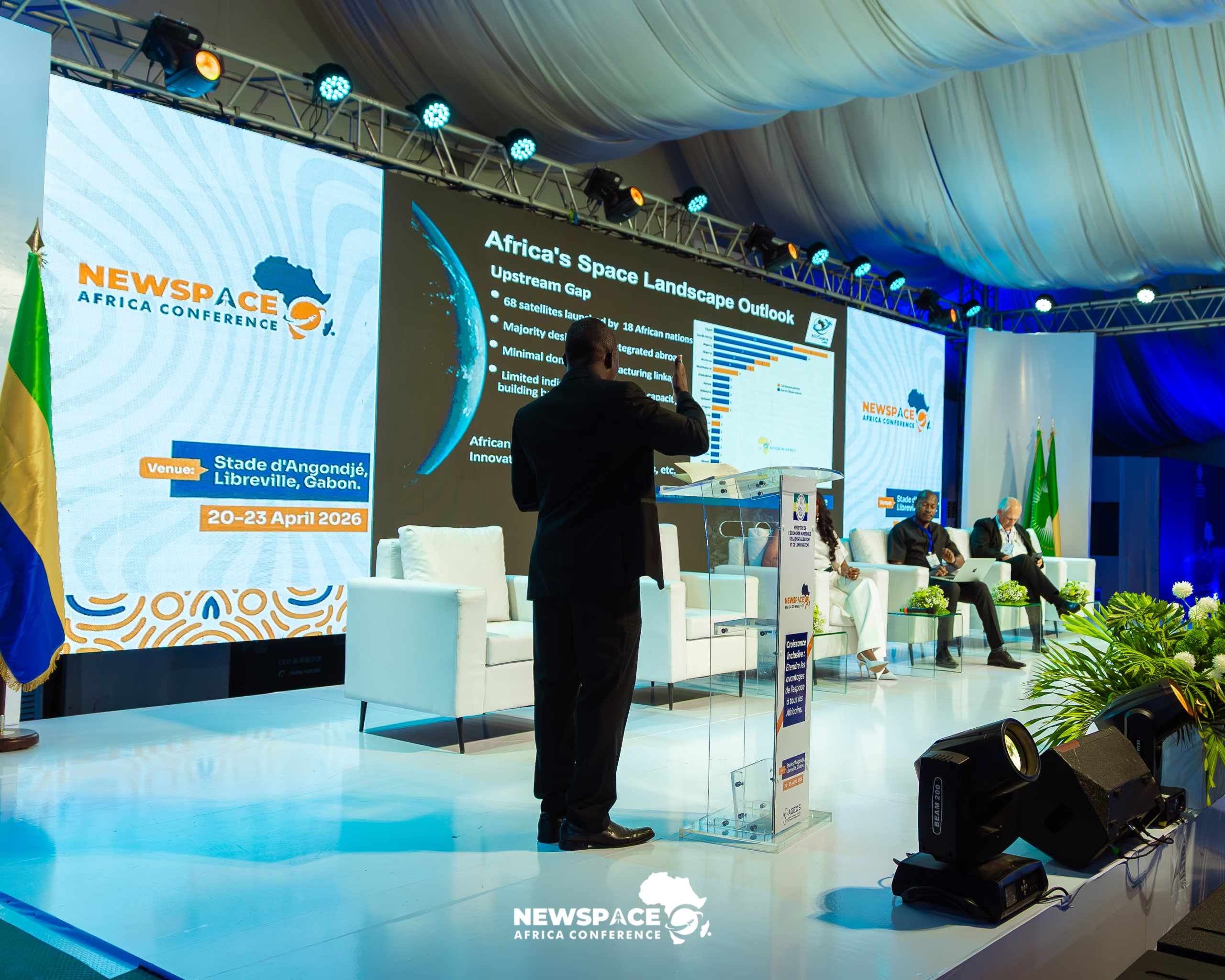
Day 2 of the 2026 NewSpace Africa Conference, organised by Space in Africa and the African Space Agency and hosted by the Government of Gabon, picked up the conversation from where it left off, maintaining the mission of impactful dialogues leading to a more coordinated and sustainable space programme built on synergy and collaboration with partners globally, to ensure that each country gets the best possible impact from their space programmes.
Panel 1: From Coverage to Capability – Moving Beyond Access to Digital Productivity
Speakers
- Jane Egerton-Idehen, Managing Director, Nigerian Communications Satellite Limited
- Diogo José de Carvalho, CEO, INFRASAT
- Amin Mestar, Secretary General, Algerian Space Agency
- Moderator: Timothy Ashong, Managing Director, Regional African Satellite Communications Organisation
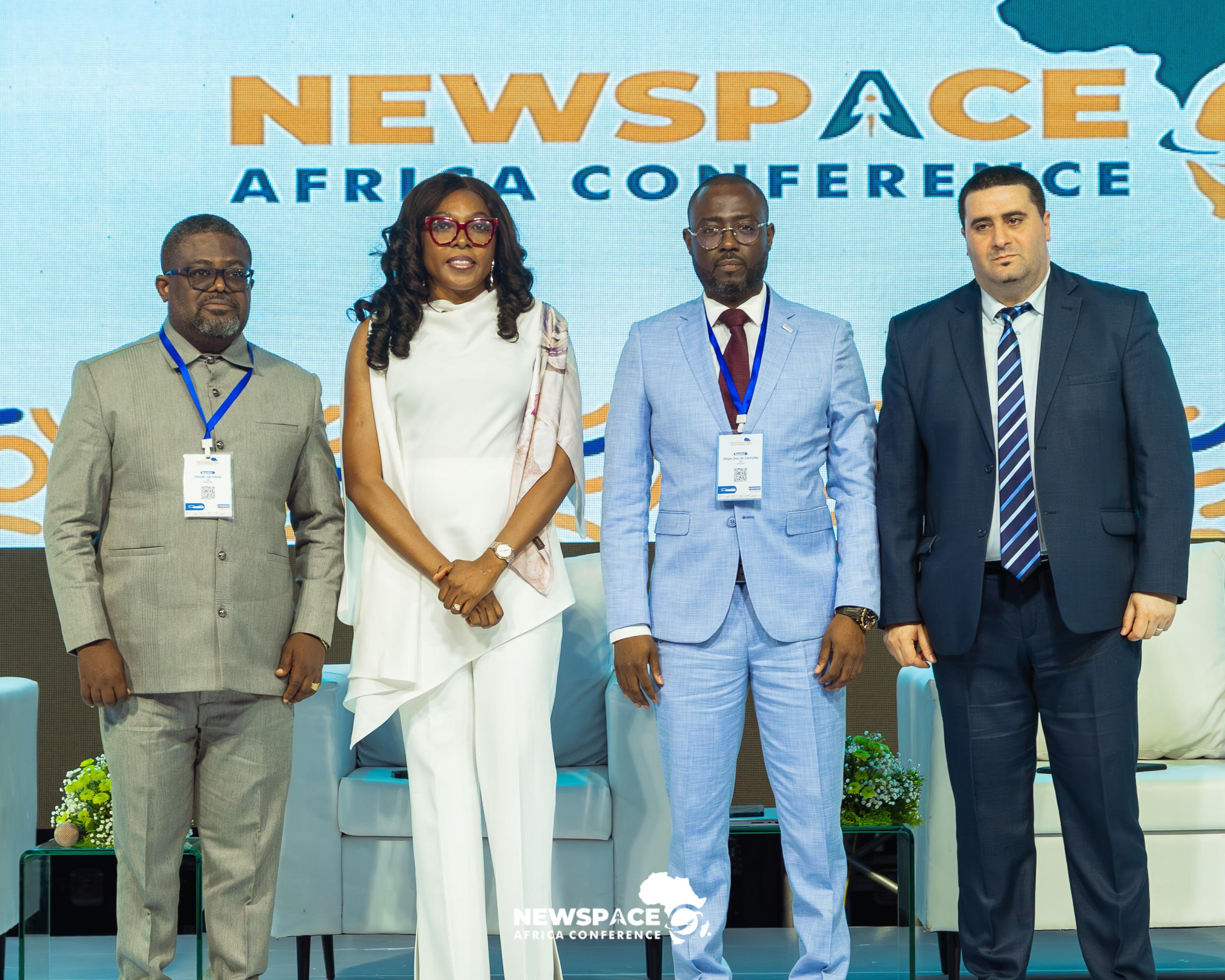
The opening panel set the tone for the day with a substantive discussion on what it means to move beyond mere connectivity coverage toward genuine digital productivity across Africa. Moderator Timothy Ashong drew on targeted, thematic questions for each speaker, probing the strategies, commercial models, and partnership frameworks shaping the next generation of satellite-enabled digital services on the continent.
For Jane Egerton-Idehen, the conversation centred on the future trajectory of Nigeria’s national satellite programme, specifically the development approach and commercial ambitions behind NigComSat-2A and 2B, scheduled for launch before 2030. She addressed how these next-generation assets differ from NigComSat-1R in both financing structure and technical scope, and what new market segments, including broadband backhaul, government services, and underserved communities, they are designed to unlock. The discussion also turned to coordination within Nigeria’s complex connectivity ecosystem, where a national satellite operator, multiple mobile network operators, and government digital inclusion mandates must align to avoid duplication and maximise impact. Egerton-Idehen acknowledged that while progress has been made, critical gaps in collaboration remain, particularly at the interface between policy and commercial deployment.
Diogo José de Carvalho spoke to INFRASAT’s role as a core ground infrastructure partner within Angola’s Conecta Angola programme, operating alongside GGPEN and AngoSat-2. He outlined the practical enablers that have enabled the translation of orbital capacity into reliable last-mile connectivity, including investment in ground station infrastructure, local technical capacity, and coordinated service delivery with government stakeholders. De Carvalho also addressed the strategic positioning of satellite connectivity not as a fallback option but as a primary foundation for hybrid network architectures in markets where terrestrial infrastructure remains severely limited. On the question of regional expansion, he discussed the regulatory and spectrum complexities of operating across multiple African jurisdictions, as well as the partnership models, with both MNOs and governments, that have proven most effective in navigating those challenges.
Amin Mestar brought Algeria’s perspective to the panel, focusing on infrastructure sovereignty and the country’s evolving role as a regional space actor. He addressed Algeria’s approach to opening its ground infrastructure to other African operators, as well as the commercialisation and collaboration frameworks under consideration, framing this in the broader context of shared continental connectivity goals. Mestar also discussed how Algeria is working to align satellite operators, mobile networks, and government institutions around common digital objectives, and where the most significant friction points lie in making those relationships functional. Looking ahead to Alcomsat-2, he reflected on the regulatory landscape, domestic and regional, and the spectrum and licensing frameworks that must be in place before the next chapter of Algeria’s satellite programme can begin.
Panel 2: Heads of Space Agencies – Cohort 3
Speakers:
- Dr Joseph Tandoh, Director, Ghana Space Science and Technology Institute
- Charles Mwangi, Technical Advisor, Kenya Space Agency
- Florent Morice Mtuka, Assistant Director, Ministry of Communication and Technology, Tanzania
- Senior-Colonel Mohamed-Ali Amri, Director-General, National Centre for Cartography & Remote Sensing, Tunisia
- Moderator: Arlette Tanga, President, African Association of Air and Space Law
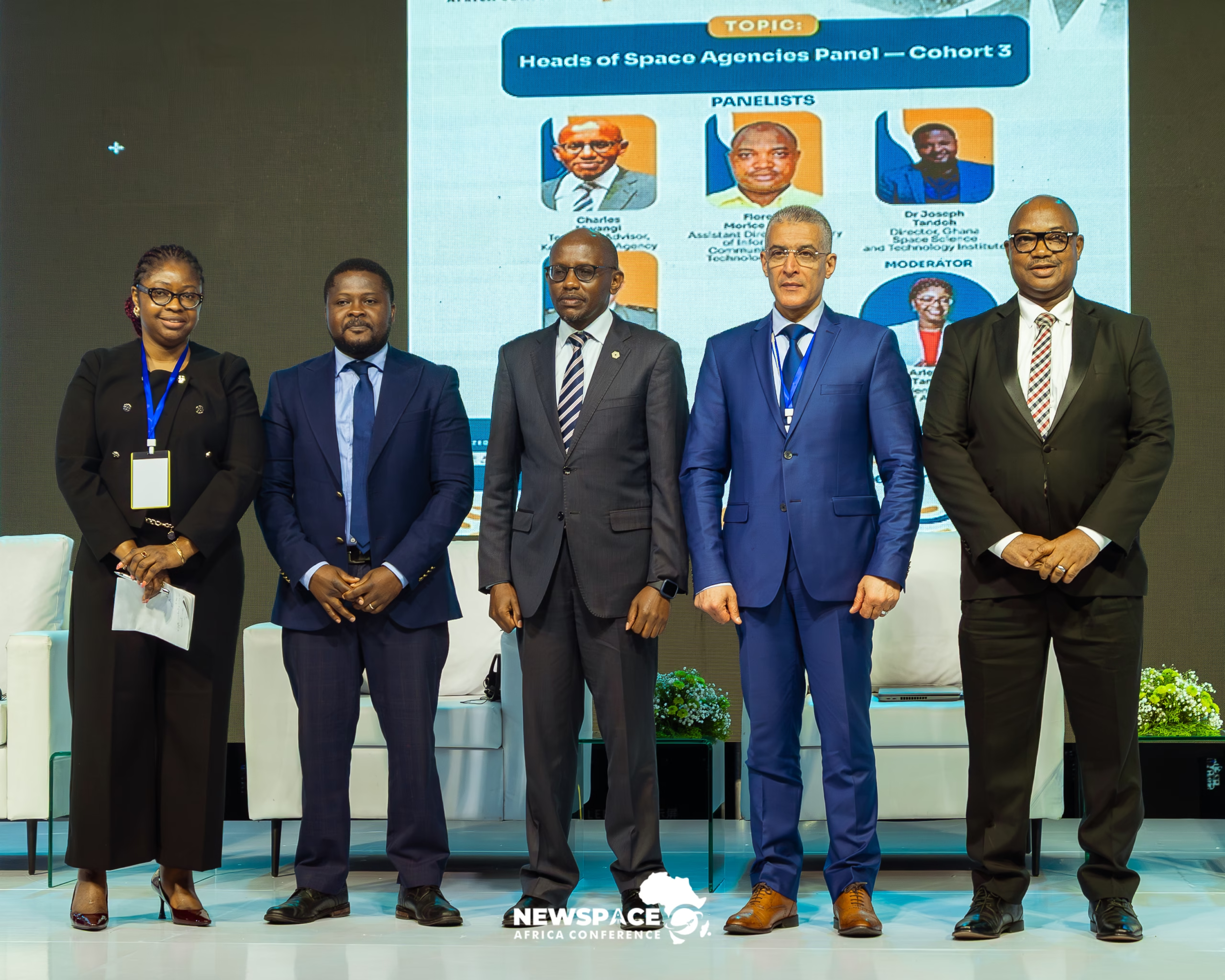
The second session brought together senior representatives from four African space institutions for a frank exchange on the state and direction of their national space programmes. Each speaker provided updates on recent milestones, ongoing priorities, and strategic plans, covering areas such as satellite development, Earth observation, capacity building, and integration of space data into national development frameworks. The panel highlighted both the meaningful progress being made across the continent and the shared structural challenges, including funding constraints, skills gaps, and the need for stronger regional coordination, that continue to shape the pace of advancement. Moderated by Arlette Tanga, the discussion reinforced the value of peer learning among African space agencies as they navigate common challenges with context-specific solutions.
Keynote: SATLANTIS
Speaker: Alejandro Barraza Valdés, Director, International Business & Marketing, SATLANTIS
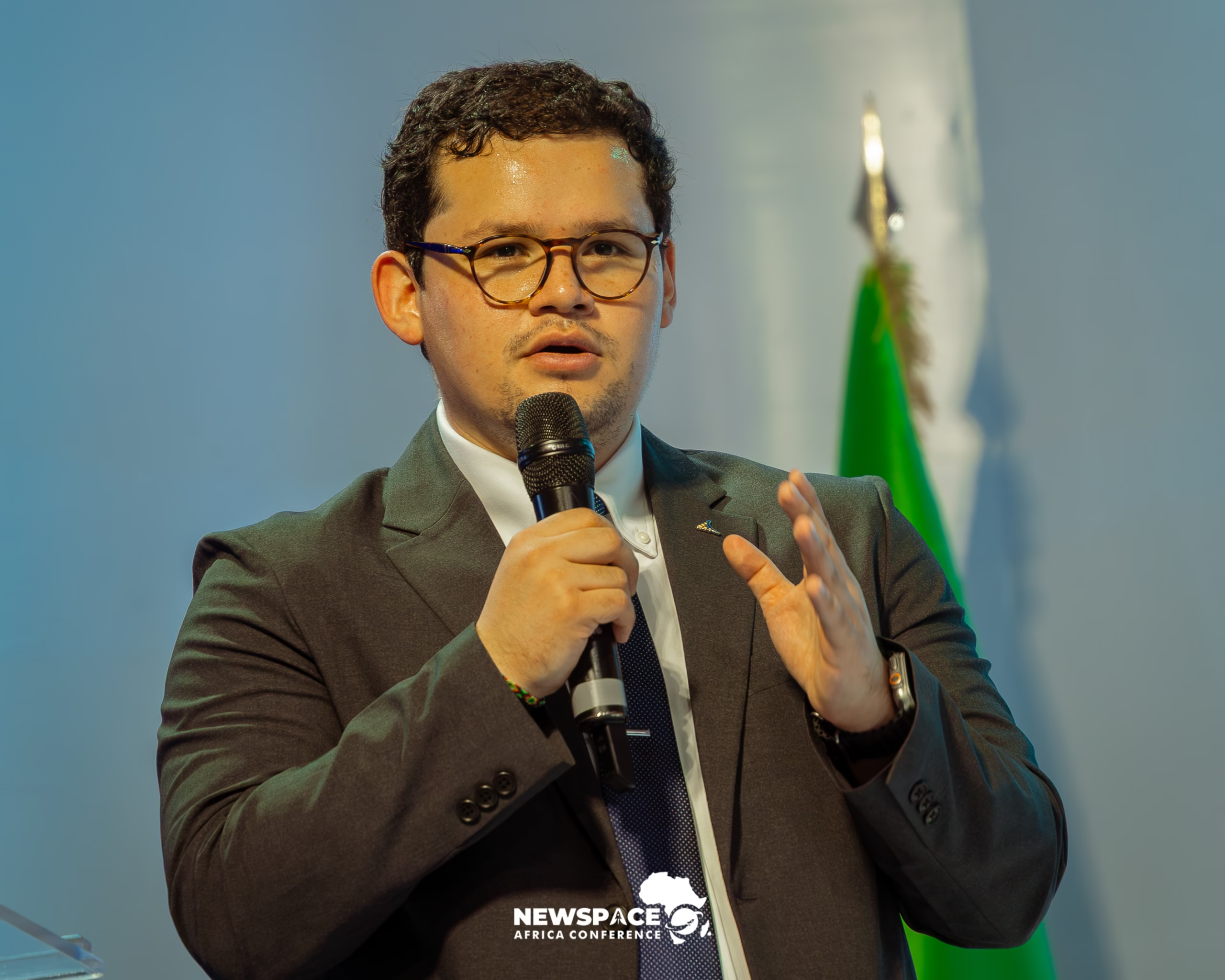
As a sponsor of the 2026 NewSpace Africa Conference, SATLANTIS expressed its strong commitment to the African space ecosystem and its intent to maintain that support in future editions of the event. Alejandro Barraza Valdés underscored the company’s appreciation for a forum that brings together policymakers, operators, and innovators in a setting that drives concrete outcomes rather than simply exchanging ideas. SATLANTIS, known for its high-resolution, compact optical imaging systems, expressed interest in partnering with African institutions and governments to deliver Earth observation solutions tailored to the continent’s specific needs, from agricultural monitoring and urban planning to environmental governance and natural resource management. Barraza Valdés emphasised that SATLANTIS sees Africa not merely as a market but as a space of genuine co-development, where technology transfer, local capacity building, and long-term collaboration can create lasting value for both parties.
Innovation Panel: How We Built It – Founder Spotlight
Speakers:
- James Barrington-Brown, Group Chairman, NewSpace Systems
- Mike-Alec Kearney, CEO, CubeSpace Satellite Systems (via pre-recorded video)
- Moderator: Queen Dare, Corporate Communications Associate, Space in Africa
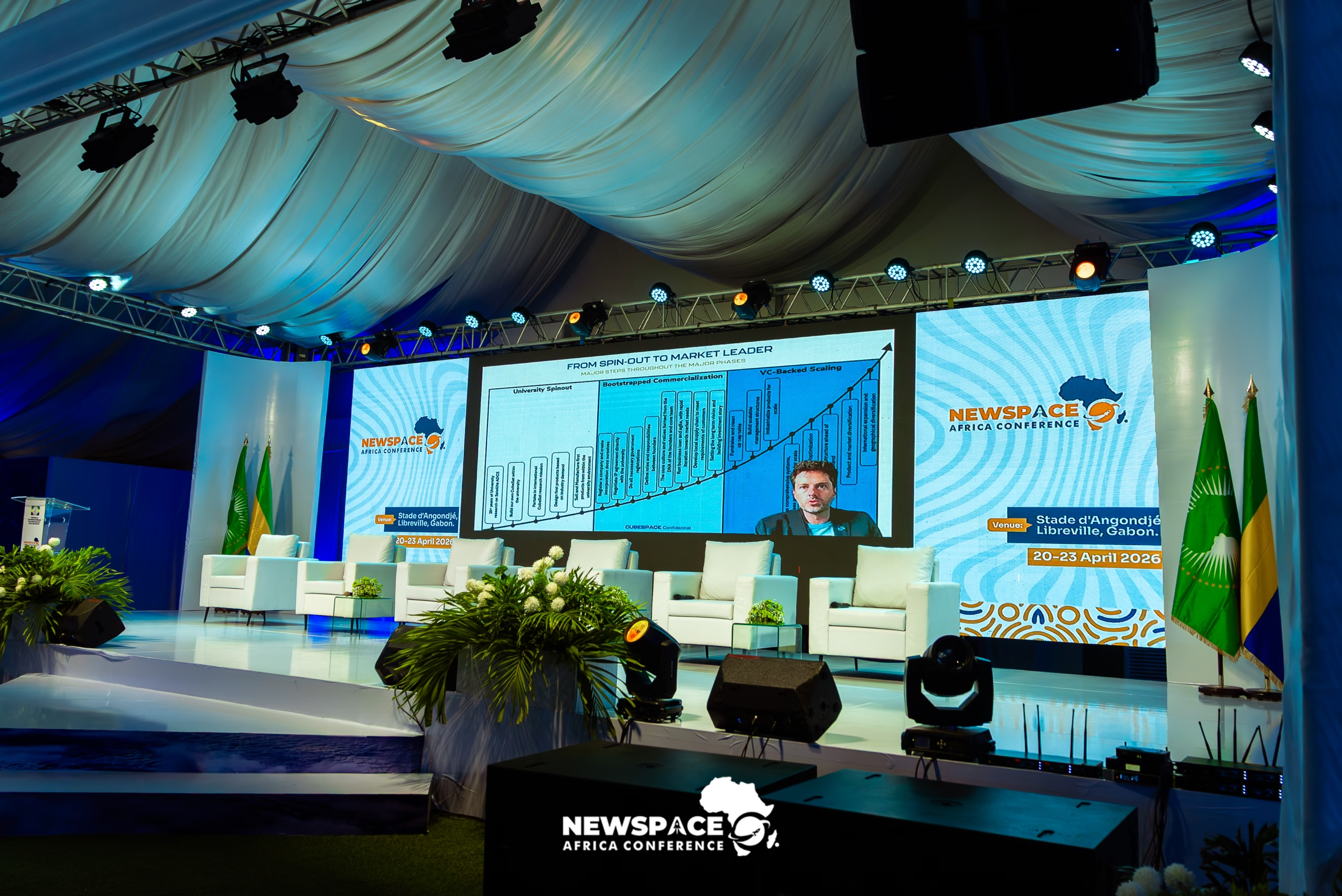
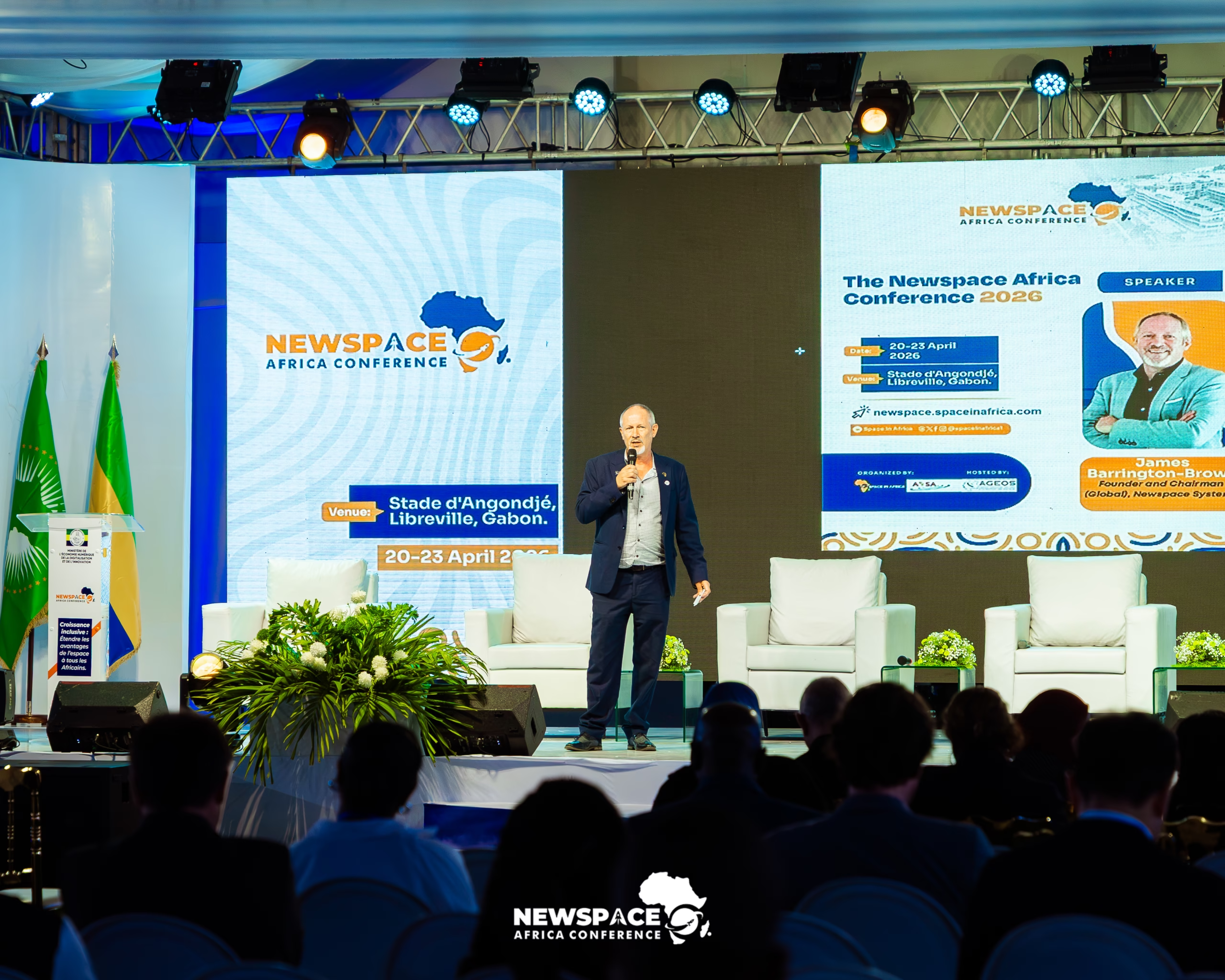
This panel offered a candid, experience-driven look at what it takes to build a competitive satellite component manufacturing company from the ground up in an African context. James Barrington-Brown and Mike-Alec Kearney, whose contribution was delivered via a pre-recorded video due to Kearney’s unavoidable absence, shared the real decisions, pivots, and principles that shaped their respective companies into recognised players not only in Africa but also in the global small-satellite supply chain. The conversation explored the specific challenges of building technical credibility, attracting early customers, managing supply chains, and retaining skilled engineers in markets where the broader space industry is still maturing. Central to the discussion was the message that the pathways these founders took are not unique to their circumstances, the models are repeatable, and the growing demand for locally manufactured satellite components across Africa creates clear opportunities for the next generation of founders willing to build in this space.
Pitch Competition
Moderator: Ayooluwa Adetola, Corporate Communications Lead, Space in Africa
Judges:
- Dr Taiwo Tejumola, Lecturer, Department of Aeronautical and Astronautical Engineering, University of Southampton
- Sias Mostert, CEO, SCS Space
- Jane Nkechi Egerton-Idehen, Managing Director, Nigerian Communications Satellite Limited
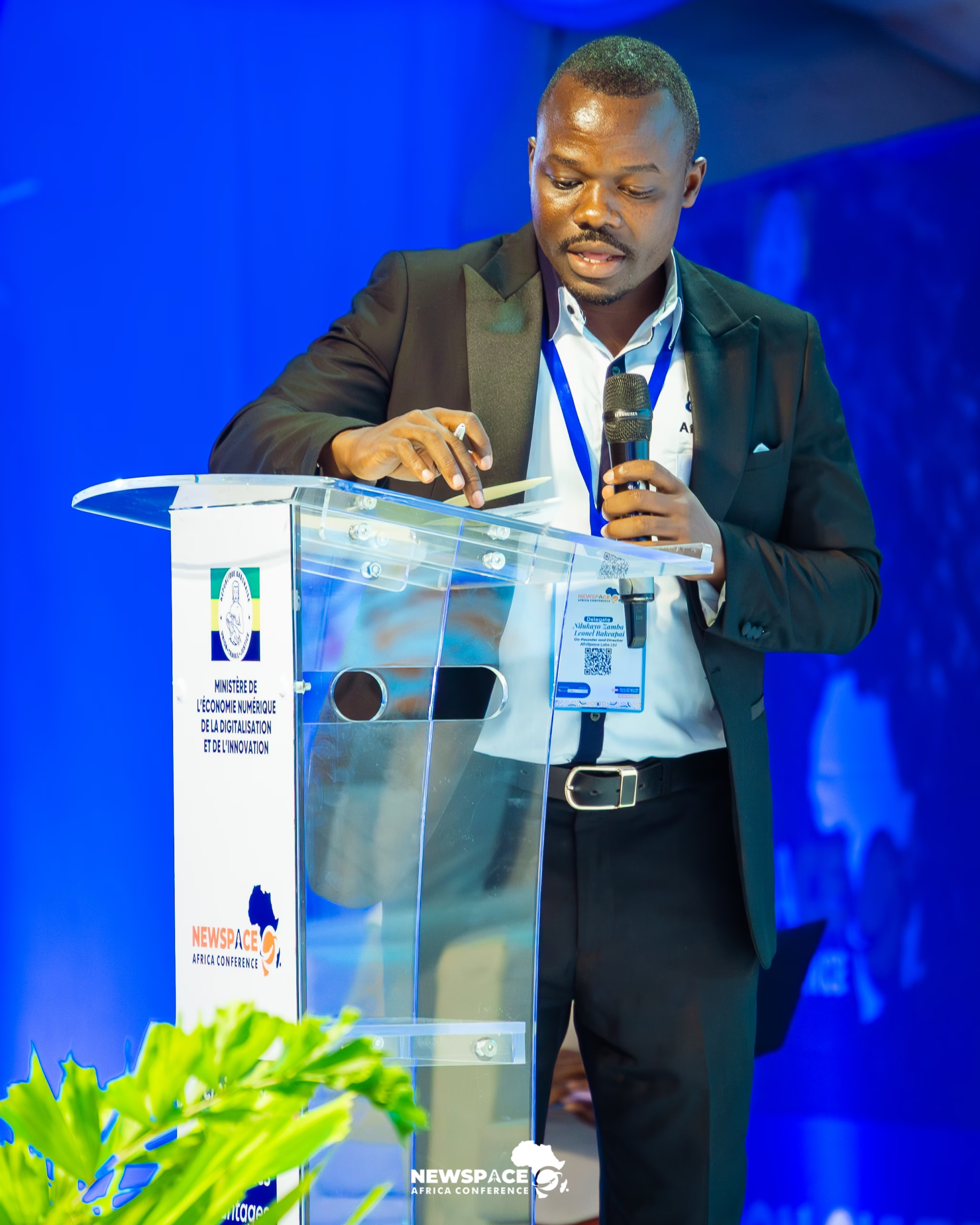
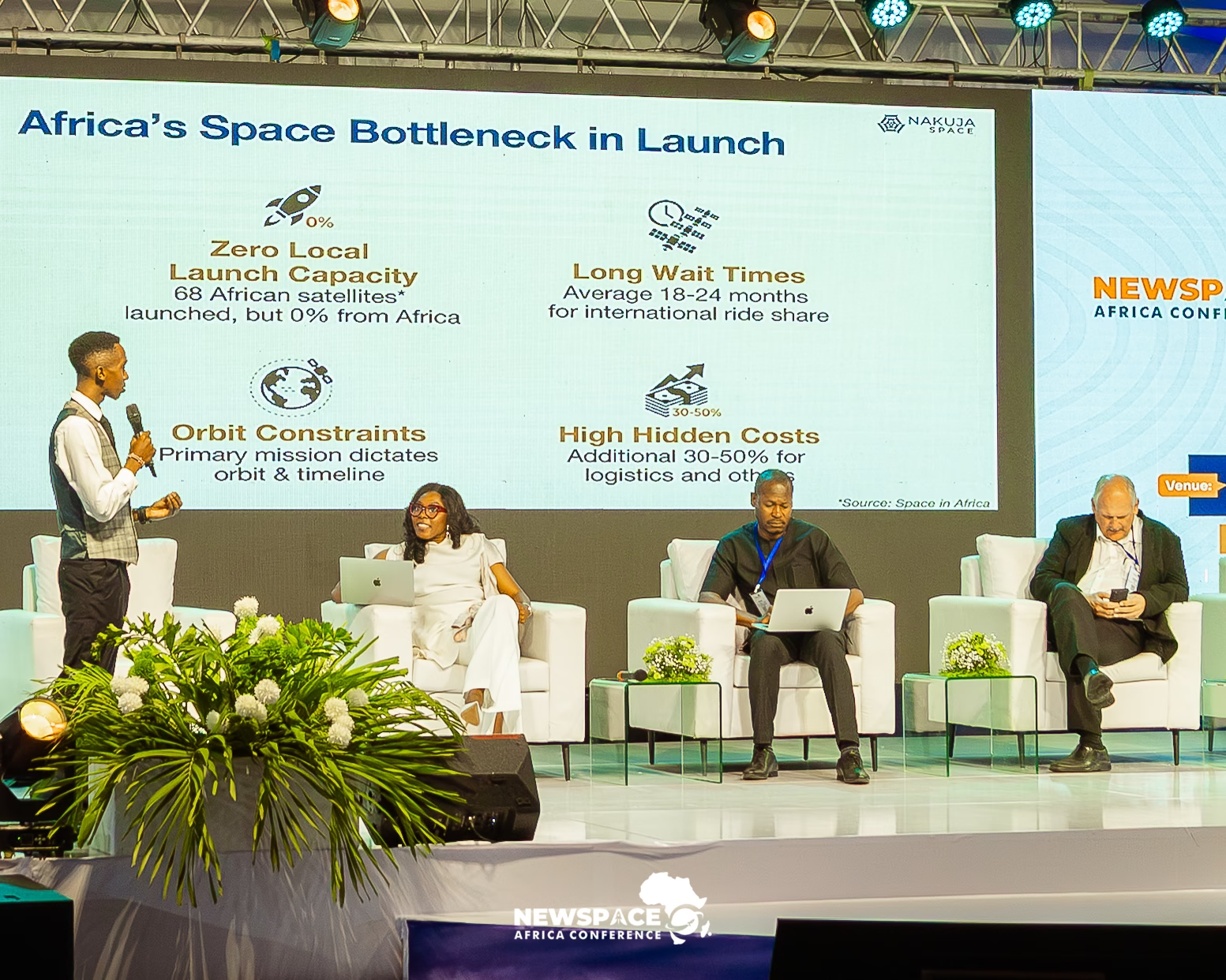
The pitch competition showcased four early-stage and emerging African space ventures, each addressing a critical gap in the continent’s space value chain.
- Nanosatellite Missions Design presented capabilities spanning satellite systems and mission design, as well as assembly, integration, and testing (AIT), areas that are foundational to building end-to-end spacecraft development capacity within Africa.
- NewCraft Aerospace is advancing work in satellite AIT, contributing to the development of localised engineering and manufacturing expertise that reduces dependence on external providers for critical programme phases.
- Nakuja Space operates in launch technology and propulsion systems, areas that remain largely underdeveloped on the continent, yet are critical for long-term strategic autonomy in Africa’s space sector.
- AfriSpace Labs Ltd brings a broad, integrated approach spanning payload development, satellite AIT, ground infrastructure, and component manufacturing, positioning itself as a multi-capability platform for African space missions.
The results of the pitch competition will be announced during Day 3 of the conference. Additionally, the start-up pitch competition is done in collaboration with the Start-Up World Cup; the leading start-up pitch competition in the world. Winners of the NewSpace Africa Pitch Start-up competition will be invited to participate at the competitions’ finals.
Panel 3: Economic Opportunities – Satellite Communications & Navigation
Enabling Equitable Access to Space-Derived Benefits for African Citizens: The Case of Satellite Navigation
Speakers:
- Semou Diouf, Director, SatNav Africa Joint Programme Office
- Prof. Lazarus Mustapha Ojigi, Executive Director, African Regional Institute for Geospatial Information Science and Technology
- Kamel Besbes, Professor, Centre for Research on Microelectronics and Nanotechnology, Tunisia
- Dr Aicha Alou Oumarou, Head of Market Development, SatNav Africa JPO
- Vivien Dovonon, Head of Strategy, Planning and Statistics Dept., ASECNA
- Vincent Gabaglio, International Relations Officer, EUMETSAT
- Moderator: Dr Arnold Agaba, Researcher, McGill Institute of Air and Space Law
This panel examined how satellite navigation services can be structured and governed to deliver equitable benefits across African populations, moving the conversation beyond technical availability toward questions of access, affordability, and practical utility. Speakers drew on their respective areas of expertise, spanning programme management, geospatial science, microelectronics, market development, aviation, and international meteorological cooperation, to build a multidisciplinary picture of where Africa stands in relation to global navigation satellite systems and what it will take to close the gap. The discussion addressed the role of initiatives like SatNav Africa in coordinating regional efforts, and how institutions such as ASECNA and EUMETSAT are integrating navigation and positioning data into operational services that directly affect citizens. Panellists also explored the enabling conditions for wider adoption, including receiver technology, local manufacturing capacity, regulatory harmonisation, and the development of African-specific applications in sectors such as transport, agriculture, and disaster risk reduction.
Panel 4: GGPEN – Business Opportunities, Products and Services
Speakers:
- Olinda da Silva FISCHER, International Relations and Legal, Angola Space Management Office (GGPEN)
- Luciano LUPEDIA, Head of Department of Space Applications, Angola Space Management Office (GGPEN)
- Fabrice Rodriguez, Head of Geospatial Sales Africa, Middle East; Head of Worldwide Resellers, Integrated Space Solutions
- Osvaldo Porto, Head of Markets and Studies Department & PMO Leader, Angola Space Management Office (GGPEN)
- Celsio Inácio, Sales Manager, INFRASAT
- Moderator: Mustapha Iderawumi, Senior Analyst, Space in Africa
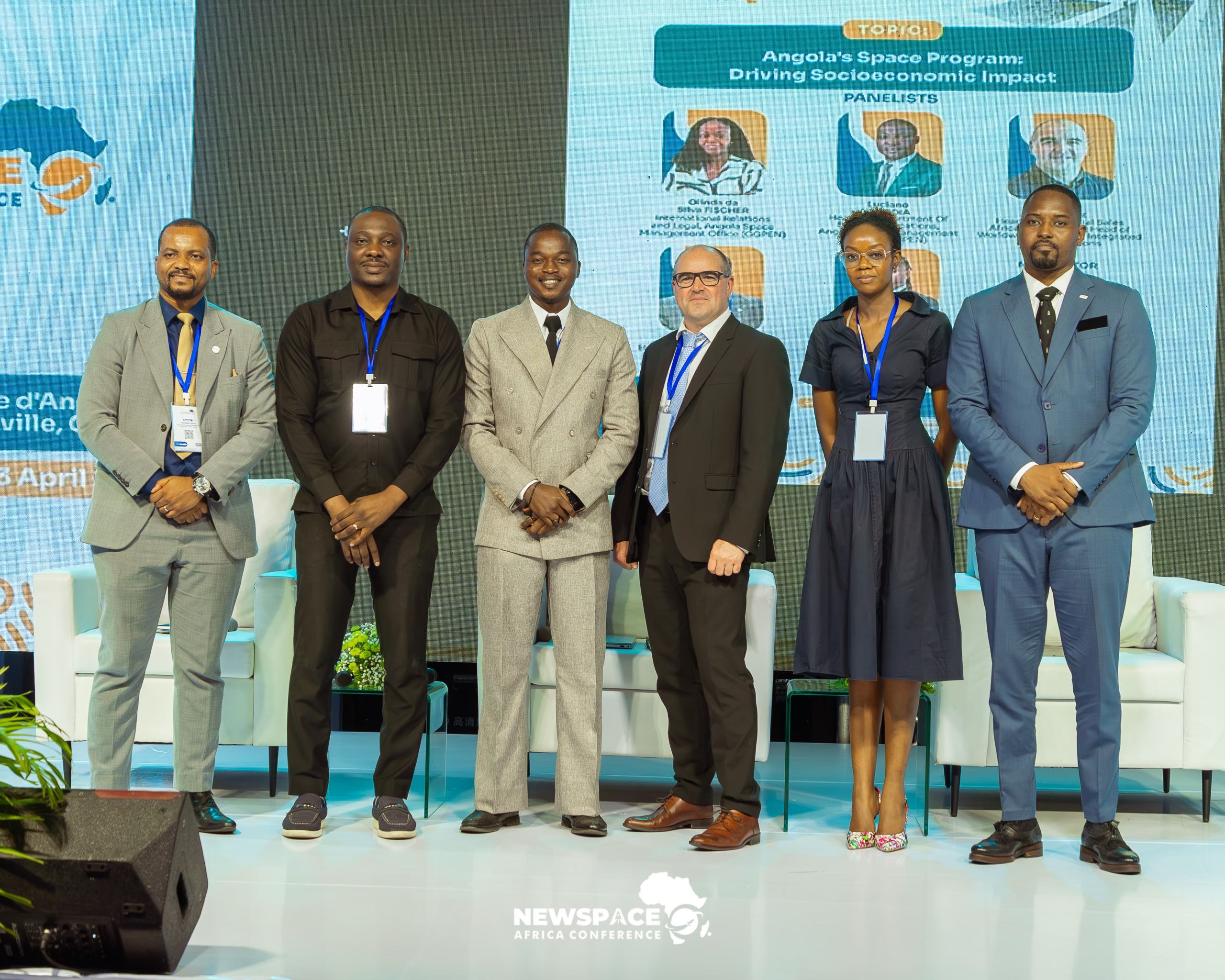
This panel explored how Angola’s national space programme, led by the GGPEN, is transforming satellite infrastructure into tangible economic value. With ANGOSAT-2 already in operation, ANGEO-1 currently in implementation, and a growing portfolio of satellite-enabled decision-support tools, Angola is moving beyond the traditional model of infrastructure provision toward delivering high-impact connectivity and geospatial intelligence services across strategic sectors. The discussion covered applications ranging from broadband expansion and digital inclusion to the management of mining activities, environmental monitoring in the oil and gas sector, territorial planning, and data-driven public administration. Speakers also addressed themes of space asset sovereignty, co-development of solutions with international partners, capacity building, and the broader role of African space infrastructure in driving inclusive economic transformation, drawing on Angola’s evolving programme as a concrete illustration of what it looks like when sovereign space assets are put to work for national development.
Keynote: Space Command – International Relations Division
Speaker: Lieutenant Colonel Fabien Monthiller, Head of Africa & European Union Office, Space Command, International Relations Division
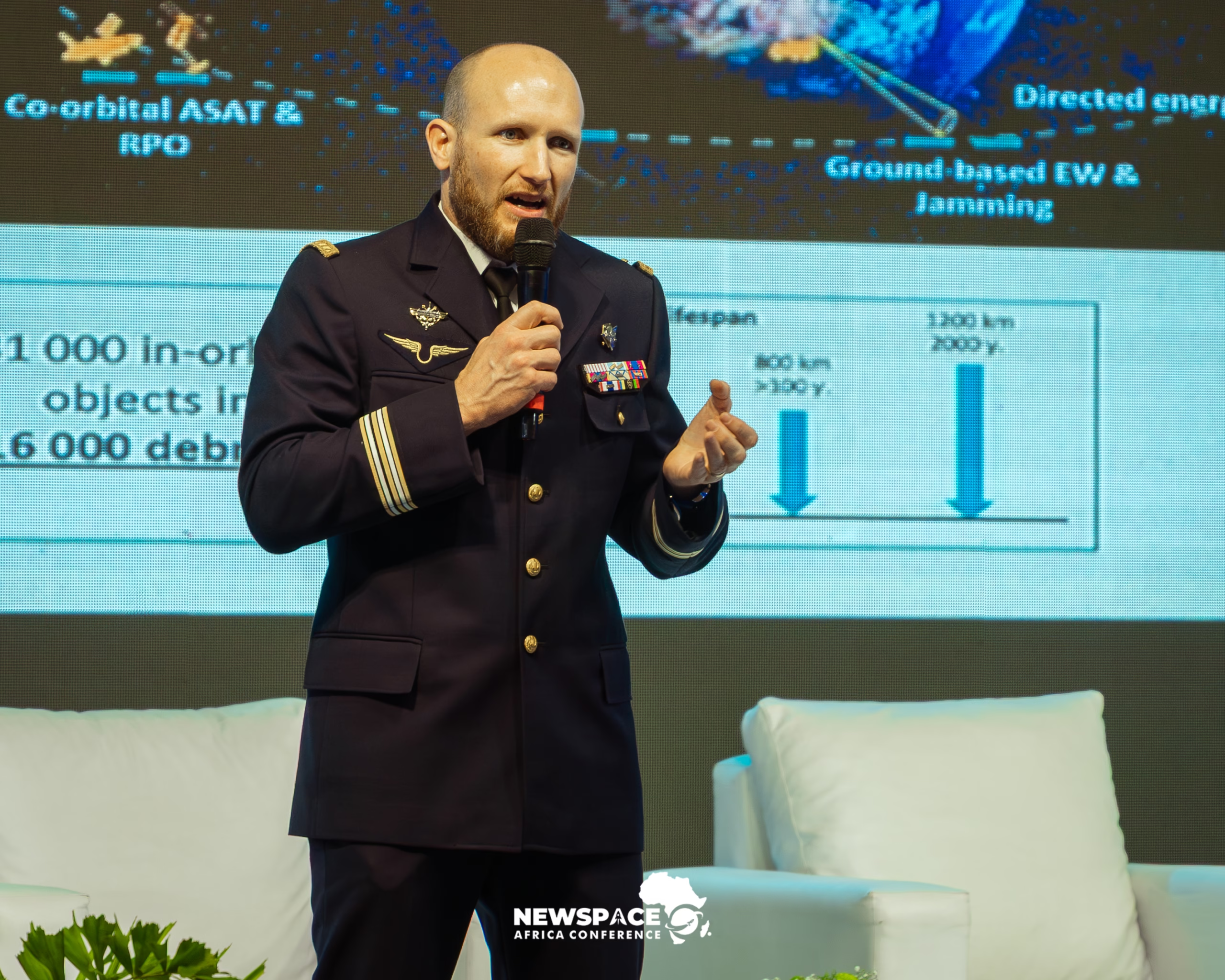
Lieutenant Colonel Fabien Monthiller addressed the conference on the growing importance of structured international cooperation in space, particularly as African nations accelerate the development of their sovereign space capabilities. He highlighted how space has increasingly become a domain of strategic interest that requires coordinated frameworks, not only among nations but also among military, civilian, and commercial actors, to ensure stability, transparency, and mutual benefit. Monthiller spoke to the role that Space Command’s international relations division plays in fostering partnerships with African counterparts and supporting dialogue on space situational awareness, spectrum management, and the responsible use of the orbital environment. He underscored France’s commitment to engaging with the African space community as a long-term partner and noted that the maturation of African space programmes creates new opportunities for joint capacity-building, data sharing, and cooperative security arrangements that serve the interests of all parties.
Keynote: Nigerian Defence Space Administration
Speaker: Air Vice Marshal Lanre Ibrahim Oluwatoyin, Former Chief of Nigerian Defence Space Administration
Air Vice Marshal Lanre Ibrahim Oluwatoyin drew on his extensive experience leading Nigeria’s defence space institution to reflect on the strategic imperatives driving African nations toward sovereign space capabilities. He spoke to the intersection of national security, economic development, and space infrastructure, arguing that the two cannot be meaningfully separated as the continent charts its long-term trajectory. His remarks addressed the lessons learned from building institutional capacity in the defence space context, including the importance of civil-military coordination, the need for sustained political commitment, and the value of regional cooperation in sharing both the costs and benefits of space investment. He encouraged African space actors to think boldly about the role their programmes can play, not just domestically but in shaping Africa’s collective position within the global space order.
Keynote: Glavkosmos
Speaker: Vitaly Safonov, Deputy Director General, Glavkosmos, JSC
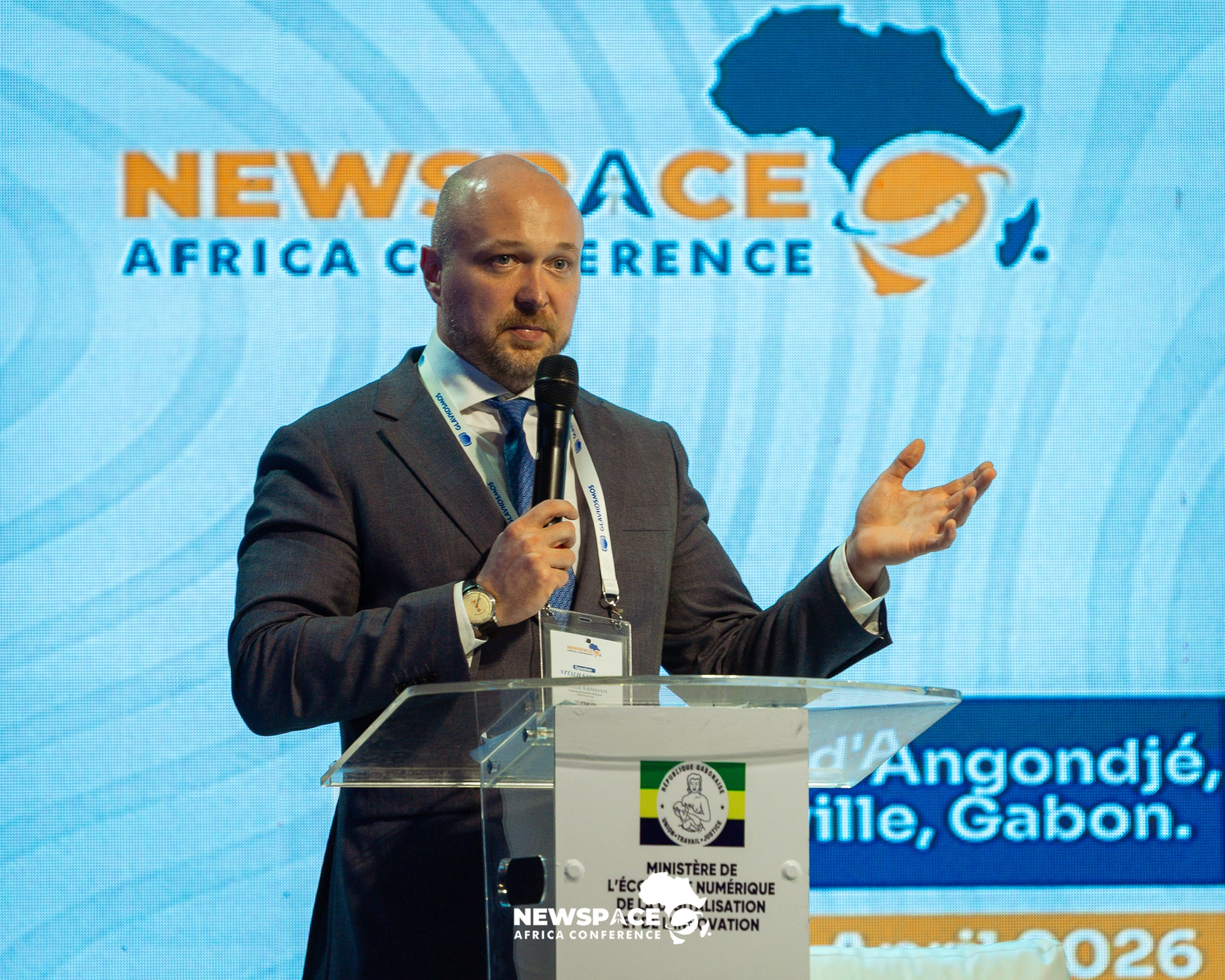
Vitaly Safonov presented Glavkosmos’s perspective on international space cooperation and the opportunities it sees for deeper engagement with African space programmes. He outlined the company’s capabilities across launch services, spacecraft manufacturing, and technology transfer, and spoke to how these offerings can be structured to meet the specific needs and timelines of African national programmes. Safonov emphasised that Glavkosmos approaches partnerships with a long-term view, prioritising arrangements that build local capacity alongside the delivery of orbital assets, rather than creating dependency. He also addressed the evolving landscape of the global launch market and its implications for African operators seeking cost-effective, reliable access to orbit as their ambitions grow.
Content Track: Earth Observation for Resource & Environmental Governance
Panel 5: From Imagery to Intelligence: Building African EO Analytics Capabilities
Speakers:
- Titus Kiragu, Space Solutions Lead, STAR.VISION
- Fabrice Rodriguez, Head of Geospatial Sales Africa, Middle East, Airbus
- Alejandro Barraza Valdés, Director, International Business & Marketing, SATLANTIS
- Paul Lasserre, General Manager, AI for Space, Loft Orbital
- Alberto Perez Cassinelli, VP of Data, OpenCosmos
- Moderator: Larissa MENGUE, Head of Ground Station Service, AGEOS
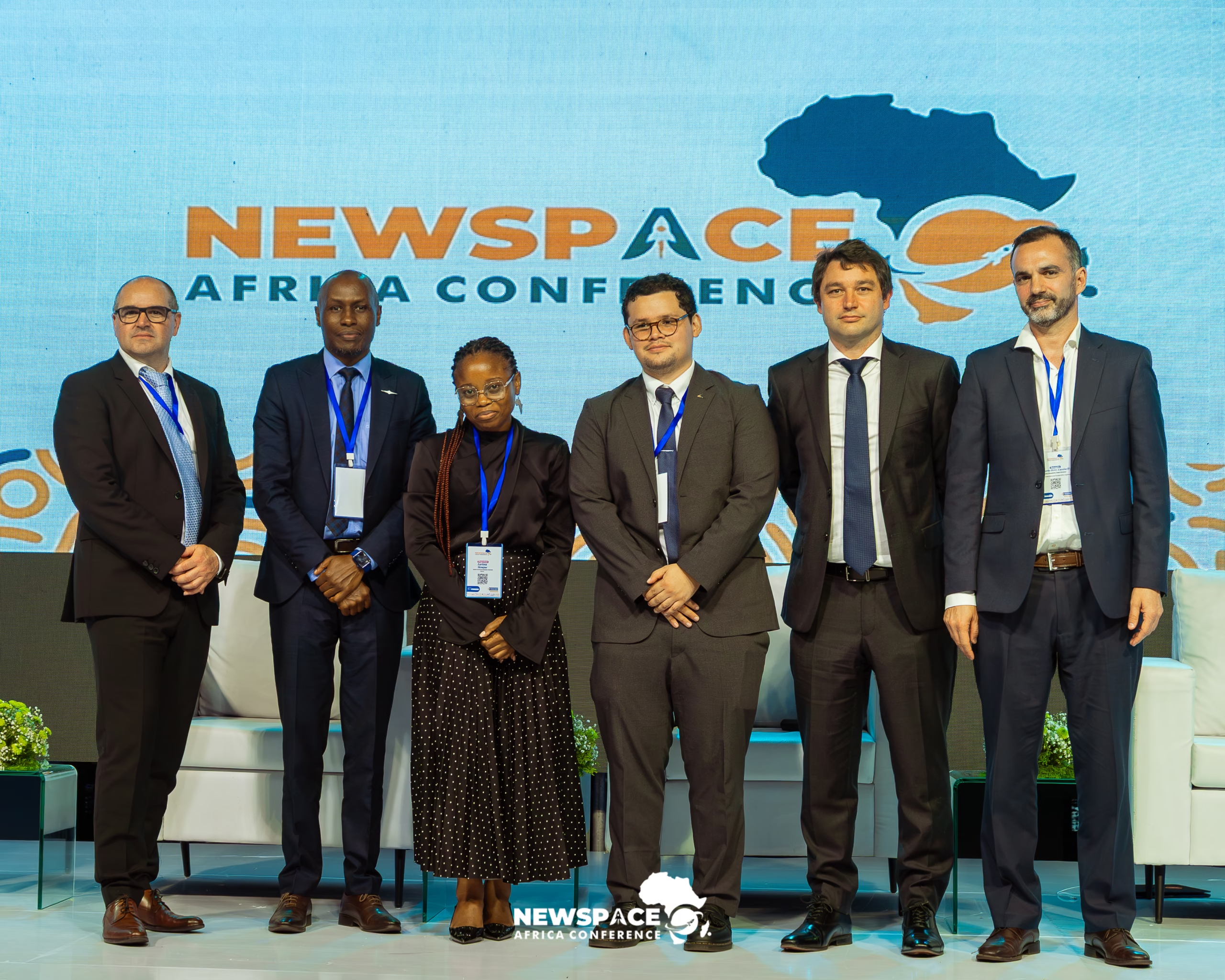
This panel examined the critical gap between the availability of Earth observation data and the ability to extract actionable intelligence from it in an African context. Speakers explored what it takes to move from raw satellite imagery to the analytics that can inform real decisions in agriculture, urban planning, natural resource management, and disaster response, and what infrastructure, skills, and partnerships are required to build those capabilities locally. The discussion addressed the role of artificial intelligence and machine learning in accelerating data processing and how African institutions can develop or access these tools without simply outsourcing the analytical layer to external providers. Panellists also reflected on the business models and data access frameworks emerging to make EO analytics commercially viable and relevant to African end users, and on the path toward a more self-sufficient continental EO analytics ecosystem.
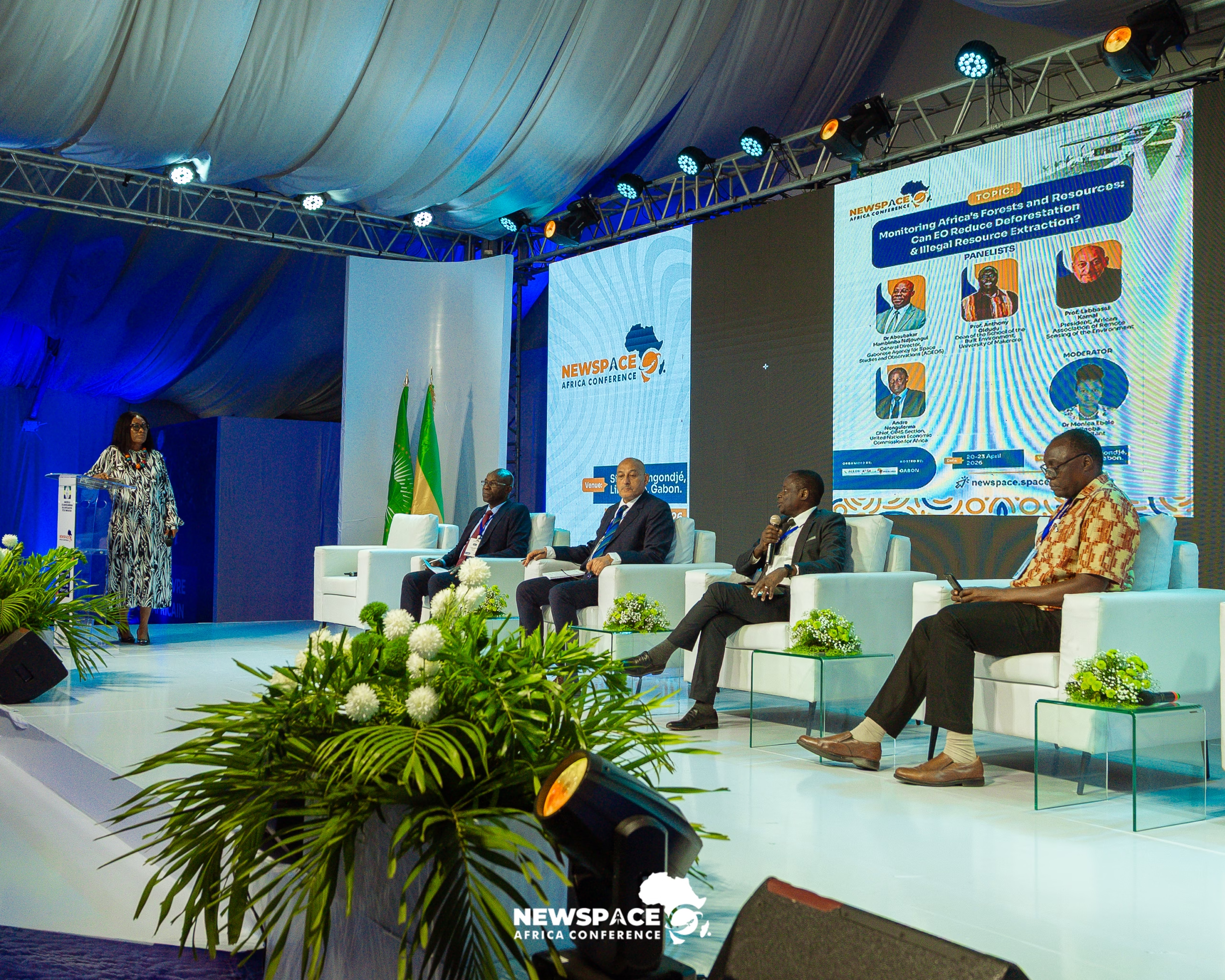
Panel 6: Monitoring Africa’s Forests and Resources – Can EO Reduce Deforestation & Illegal Resource Extraction?
Speakers:
- Dr Aboubakar Mambimba Ndjoungui, General Director, Gabonese Agency for Space Studies and Observations (AGEOS)
- Prof. Anthony Gidudu, Dean of the School of the Built Environment, University of Makerere
- Prof. Labbassi Kamal, President, African Association of Remote Sensing of the Environment
- Andre Nonguierma, Chief, GiMS Section, United Nations Economic Commission for Africa
- Moderator: Dr Monica Ebele Idinoba, Consultant
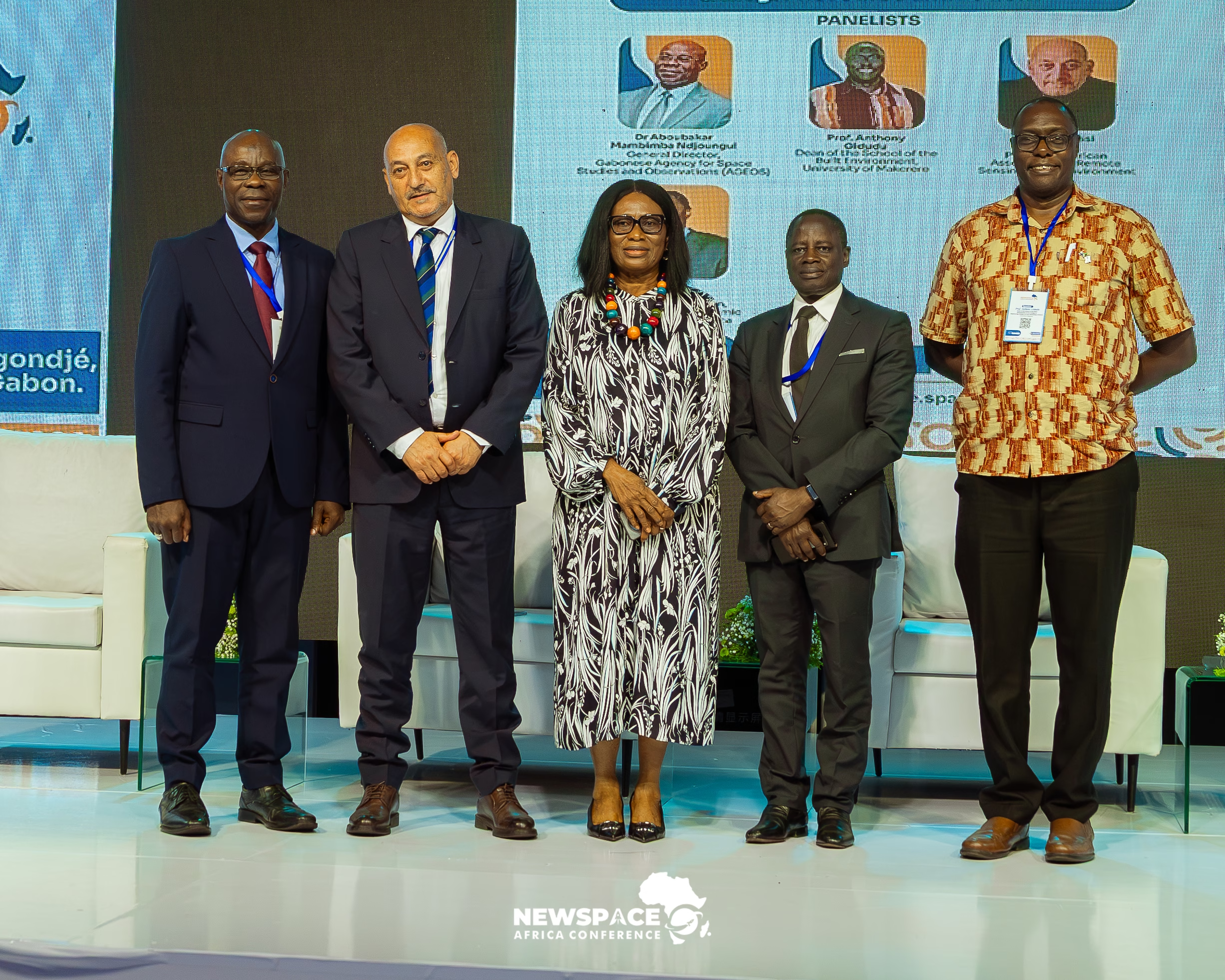
The final panel of the day tackled one of the most pressing environmental governance challenges facing the African continent, the capacity to monitor and protect its vast forest resources and combat illegal extraction activities using space-based tools. Speakers discussed the current state of Earth observation applications for forest cover monitoring, deforestation tracking, and the detection of illegal mining and logging, drawing on both continental datasets and national programmes. The panel assessed the extent to which EO data is already being integrated into governance and enforcement frameworks, and where the gaps remain, particularly in translating satellite-derived evidence into regulatory or legal action on the ground. Broader questions of data sovereignty, open access, inter-agency coordination, and the role of international partners, such as the United Nations, were also addressed, as speakers explored what a more effective, Africa-led approach to environmental monitoring through space could look like.