
Starlink’s Market Share in Kenya Declines Despite Subscriber Growth
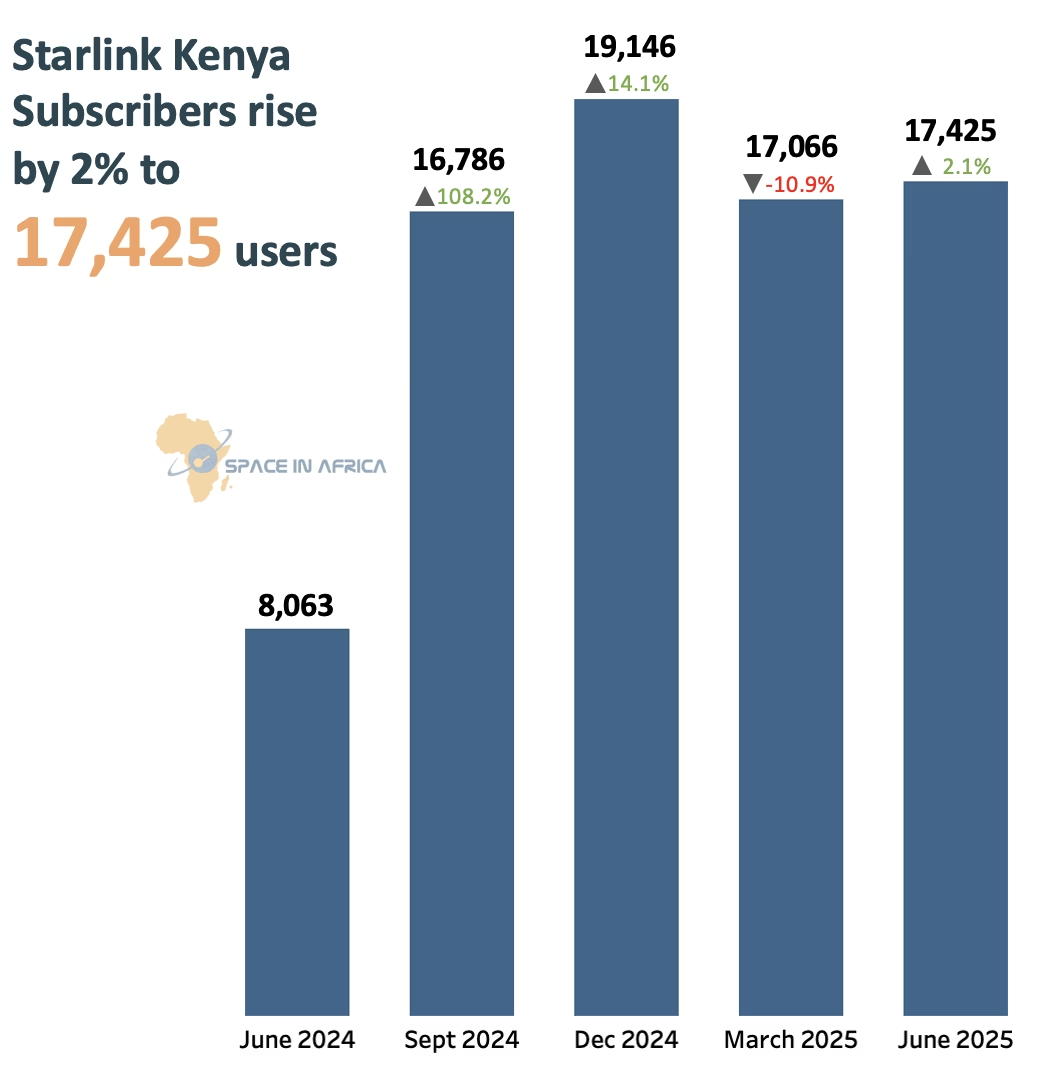
Starlink Internet Services Kenya has dropped one place to rank ninth in the country’s Internet Service Provider (ISP) rankings despite recording new customer growth. According to the latest data from the Communications Authority of Kenya (CAK), the satellite operator gained 359 subscribers in the June 2025 period, a 2.10% cent increase from 17,066 in March 2025, bringing its total user base to 17,425 as of June 2025. The decline in ranking, despite a growing subscriber base, highlights the shifting dynamics of Kenya’s broadband market. This development follows Starlink’s first quarterly decline in users in the country, a 10% cent drop in subscriptions during the October-December and January-March periods.
Market Share Dynamics
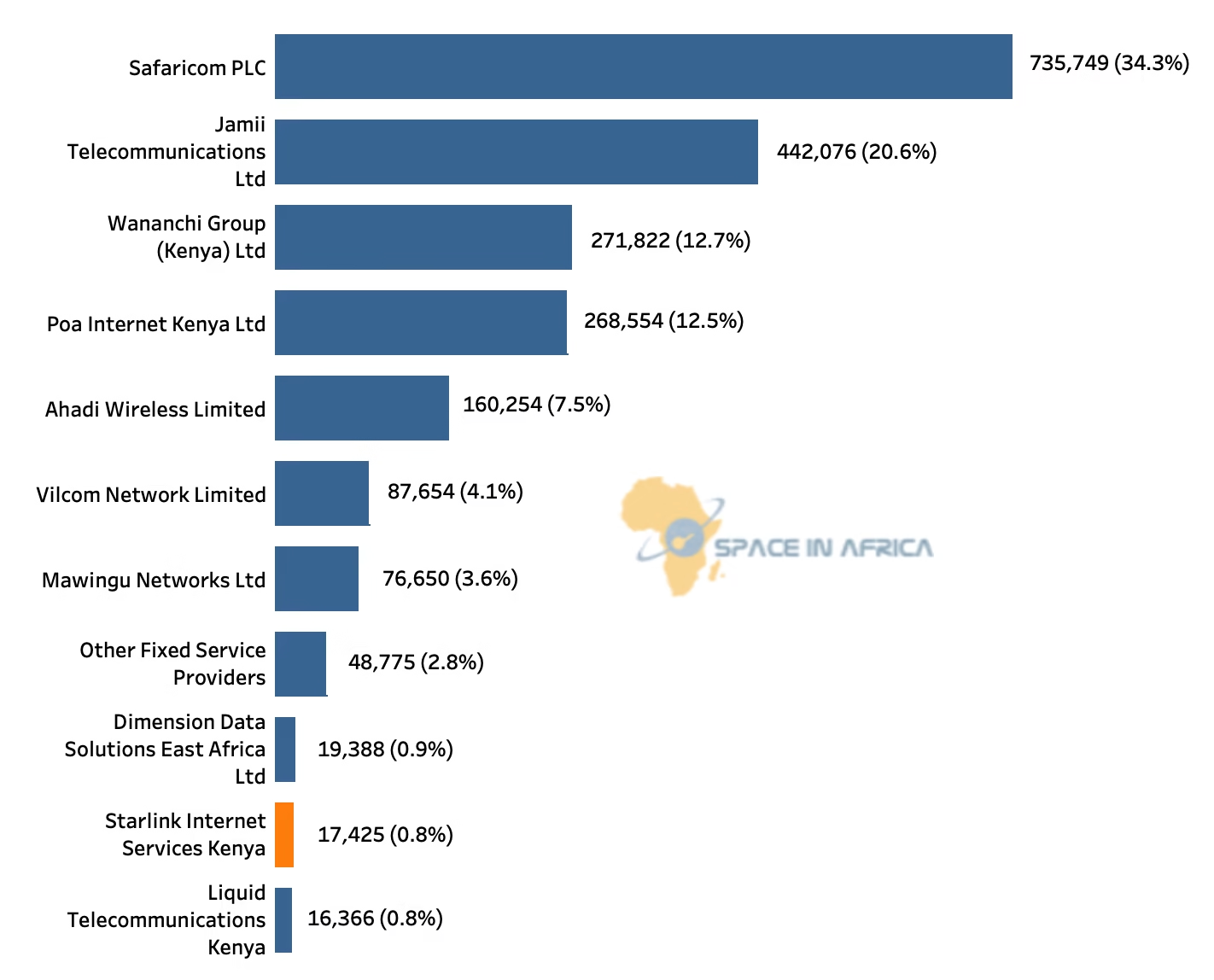
Starlink’s decline in its ranking has also been marked by a decrease in its share of Kenya’s fixed-broadband market. Notably, its market share dropped from 0.9% in the previous quarter to 0.8% in the current period, reflecting a broader trend across the ISP sector. Despite this overall dip in market share, most providers recorded subscriber growth. Safaricom PLC posted the most significant increase, adding 57,631 users and maintaining its position as the country’s leading ISP. Other leading ISPs, such as Jamii Telecommunications Ltd, Wananchi Group (Kenya) Ltd, and Poa Internet Kenya Ltd, all recorded significant growth in their subscriber statistics.
During the quarter under review, Ahadi Wireless Limited, backed by e-commerce firm Ahadi Corporation, made a strong debut among the top 10 fixed internet service providers, holding a 7.5% market share and serving approximately 160,000 users.
The CA report follows Starlink’s resumption of new customer subscriptions in June 2025 across Nairobi and neighbouring counties, ending a seven-month suspension that had been in place since November 2024. The reopening of kit sales created an opportunity for new sign-ups, contributing to the modest rise in subscriber numbers recorded during the period.
The main challenge to Starlink’s uptake remains the high cost of both the equipment, at KSH 49,900 (USD 388), and the monthly subscription, at KSH 6,500 (USD 50). Although Starlink has previously introduced some price adjustments, its hardware remains considerably more expensive than that of most competitors, and its monthly charges often exceed those of local fibre-to-home plans several times.
This cost barrier has been reinforced by intensified competition. Market leaders such as Safaricom PLC and Jamii Telecommunications Limited have countered the satellite offering with lower-priced fibre and 5G packages, often bundled with incentives such as free installation and higher speeds. The high-demand urban centres where Starlink had significant demand are now well served by more affordable and reliable terrestrial options.
Starlink Freezes New Sign-Ups in Emerging African Markets
Over the past year, several key African markets, including Nigeria, Kenya, Zambia, and Zimbabwe, have faced a pause in new subscriptions for Starlink’s satellite internet service. The measure was introduced to manage limited network capacity and protect service quality for existing users. Starlink now reports that additional African markets have recently been added to this list, including:
- Juba and the surrounding cities in South Sudan
- Antananarivo and Toamasina areas in Madagascar
- N’Djamena, Abéché, and Koukou Angarana regions of Chad
- Niamey, Niger’s capital city
The freeze also extends to areas with earlier capacity constraints, such as Lagos, Warri, and Abuja in Nigeria, as well as Harare and its surrounding areas in Zimbabwe. In response to rising demand, particularly in Africa’s urban centres, Starlink continues to expand its constellation, deploying additional satellites, including newer generations with substantially greater capacity.