
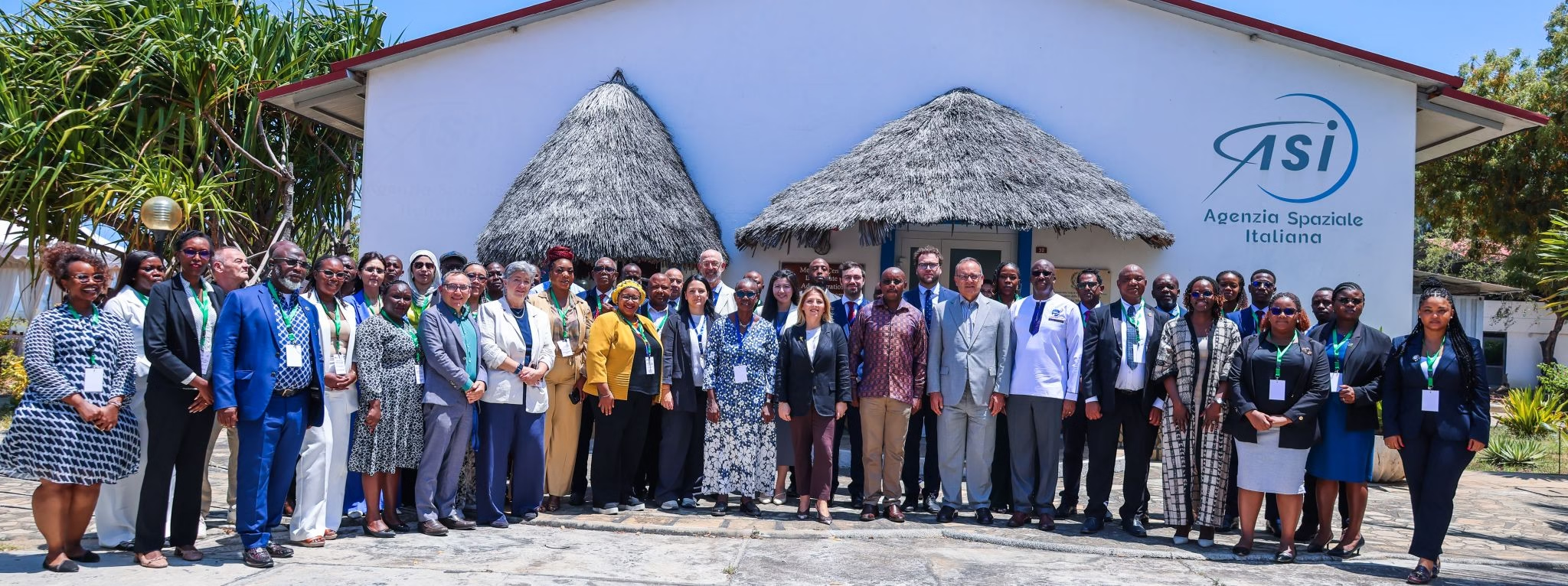
Kenya is hosting a regional technical advisory mission on space law, bringing together representatives from 16 African countries to strengthen national legal frameworks, regulatory institutions, and regional cooperation in governing space activities.
The Regional Space Law Technical Advisory Mission for the African Region officially opened on 10 November 2026 at the Luigi Broglio Malindi Space Centre (LBMSC) in Malindi, Kenya. Organised by the United Nations Office for Outer Space Affairs (UNOOSA), in collaboration with the Italian Space Agency (ASI) and the Kenya Space Agency (KSA), the four-day mission runs until 13 November.
The opening ceremony was presided over by Dr Patrick Mariru, Principal Secretary in Kenya’s Ministry of Defence. In his remarks, Mariru highlighted the importance of robust legal frameworks in safeguarding national space assets, strengthening national security and promoting the peaceful and sustainable use of outer space.
“A robust legal framework is also a key pillar of national security. It provides safeguards for our space assets, helps prevent harmful interference, strengthens confidence and cooperation among States, and contributes to ensuring that outer space remains a domain for peaceful use, in accordance with international law and principles for long-term sustainability,” Dr Patrick Mariru, Principal Secretary in Kenya’s Ministry of Defence.
Italy’s Ambassador to Kenya, Vincenzo Del Monaco, and KSA Director General Major General Hillary Kipkosgey also emphasised the importance of regional cooperation in shaping Africa’s approach to space governance.
Translating International Space Law into National Frameworks
A central focus of the mission is translating international space law principles into national legislation and institutional arrangements. As African countries establish and expand their space programmes, they face the task of developing domestic frameworks that define regulatory responsibilities and establish oversight mechanisms for space activities conducted under their jurisdiction.
The programme examines several of these requirements, including the fundamental principles of the Outer Space Treaty, state responsibility and liability for space activities, and the registration of objects launched into outer space. Participants will also explore the development of national space legislation, including its purpose, scope and key elements.
Particular attention is being given to the legal responsibilities that arise when countries procure satellites, engage foreign launch providers or operate space assets through international partnerships. These arrangements raise questions about liability allocation and states’ responsibilities under international space law. Other sessions will examine the authorisation, licensing and supervision of national space activities, alongside legal frameworks for insurance, liability caps and the transfer of ownership of space objects.
Addressing the Regulatory Requirements of a Growing Space Economy
Beyond national legislation, the mission addresses regulatory issues that directly affect the development of commercial space activities. Sessions on Earth observation and the use of space data, radio frequency spectrum, and orbital slots examine frameworks governing access to and use of critical space resources.
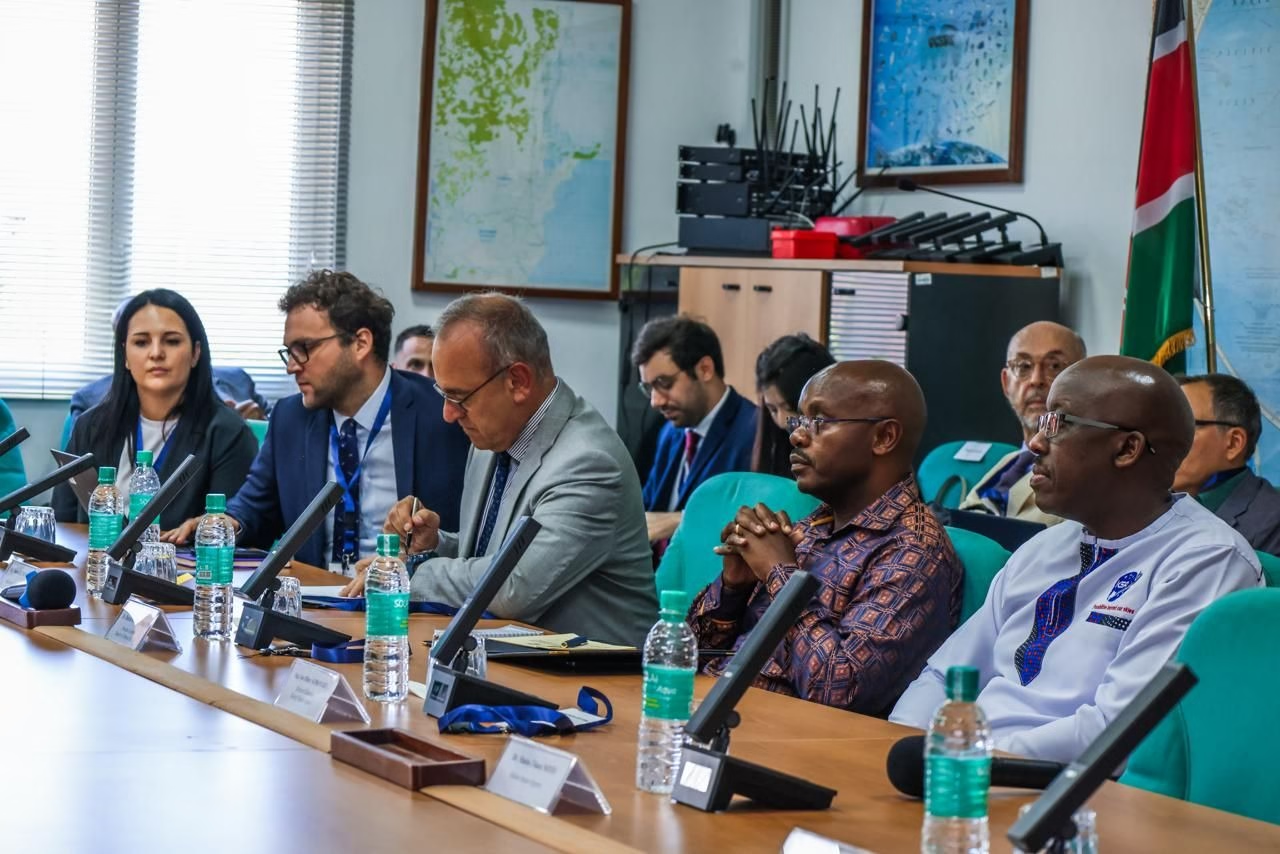
For satellite operators, access to radio frequency spectrum and orbital positions requires coordination under international regulatory arrangements. Similarly, licensing and supervision frameworks determine the conditions under which companies can conduct space activities within national jurisdictions. The programme also examines how national frameworks implement the United Nations’ Long-term Sustainability Guidelines, as well as the legal procedures for handling space objects and debris recovered within national territory.
These considerations reflect the broader role of space law in establishing the conditions for national space programmes and commercial operators to function. Clear regulatory responsibilities, licensing procedures and liability arrangements are important not only for meeting international obligations but also for providing greater certainty to organisations investing in and operating space infrastructure.
Strengthening Africa’s Role in Global Space Governance
The mission also considers how African countries can coordinate their approaches to space governance and strengthen their participation in international decision-making. A dedicated session examines the African Space Policy and Strategy and the role of the African Space Agency (AfSA) in advancing continental space development through regional cooperation. Participants will also discuss the role of the United Nations Committee on the Peaceful Uses of Outer Space (COPUOS) and opportunities for wider African participation in global space governance.
The programme draws on institutional and legal experiences from other regions, including the European Space Agency and Italy’s approach to building national space governance institutions. The final day will turn to the broader space economy, with sessions examining international market developments, cooperation models and the role of integrated national governance frameworks in developing specialised human capital.
Through expert presentations, interactive discussions and practical tabletop exercises, participants will examine how these legal and institutional approaches can be adapted to their respective national contexts. The mission is expected to conclude on 13 November with country-level deliberations and presentations of the exercises.
As African countries expand their participation in the global space sector, developing national regulatory capacity and strengthening regional coordination will become increasingly important. The mission provides a platform for examining how international space law can be translated into practical national frameworks while supporting Africa’s participation in the governance and development of the wider space economy.