
Starlink Is Now Live in Uganda
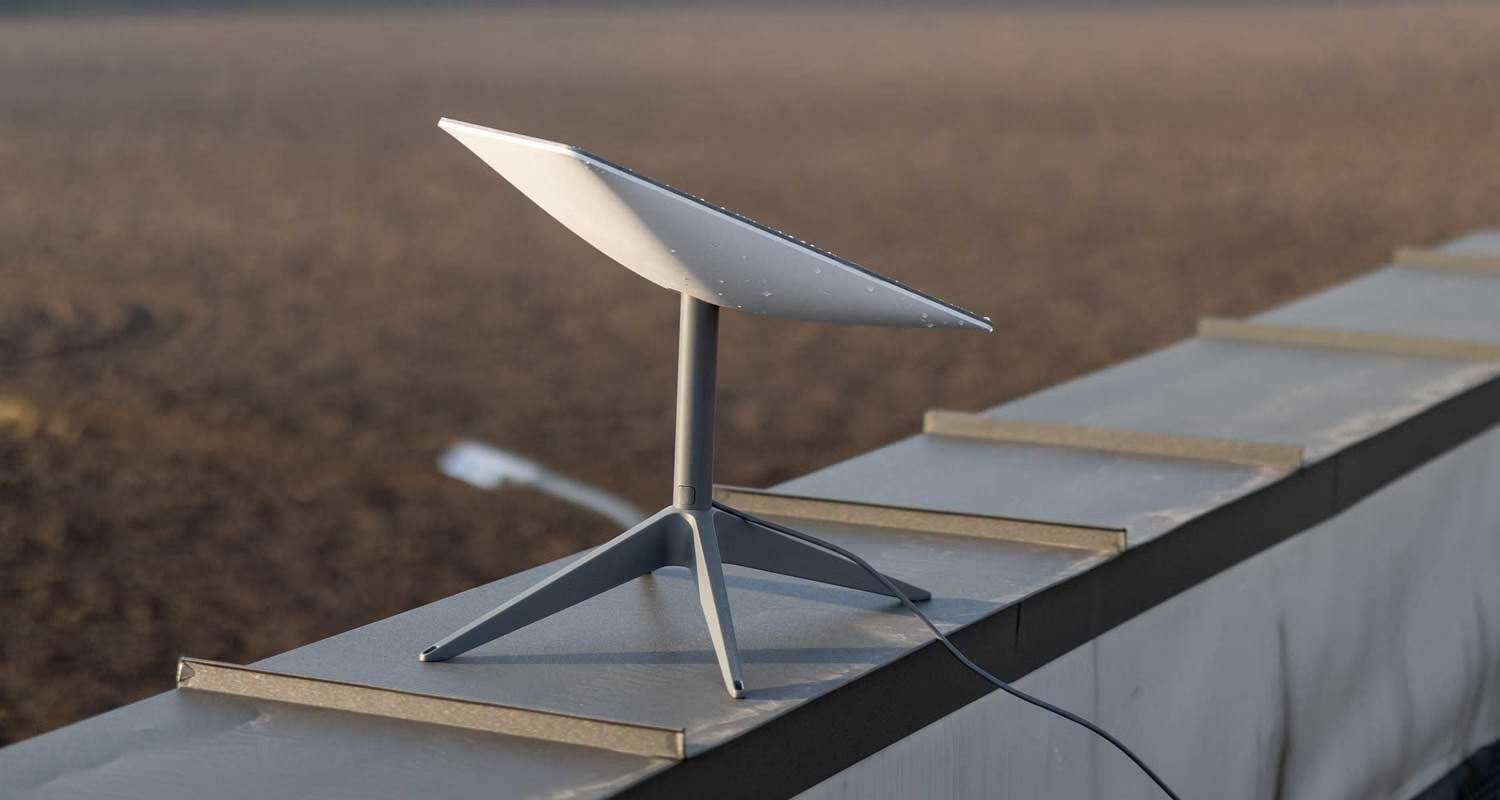
Starlink’s Uganda story has been running for the better part of a year, and it just reached its real starting line. The official Starlink account has confirmed the service is now available in Uganda, with residential pricing and hardware live on the order page, a very different situation from where things stood in January 2026.
How Uganda got here
Uganda wasn’t a smooth rollout. In January 2026, Starlink disabled active terminals in the country using geolocation controls during the national election period, a move that drew a public appeal to Elon Musk from opposition figure Bobi Wine after the shutdown. At the time, Starlink terminals had been entering and operating in Uganda without a formal license, and the Uganda Communications Commission (UCC) was pushing back on unlicensed access.
That stand-off was resolved on May 15, 2026, when UCC officials and Starlink signed a memorandum of understanding and a five-year operational license agreement at State House Entebbe. The terms weren’t a blank check: Starlink was required to establish a national gateway within Uganda, maintain a local physical office, and employ local technical and legal staff. President Museveni clearly framed the government’s priorities: “Our interest remains security, revenue assurance, and ensuring proper accountability within the telecommunications sector.” Starlink’s Ryan Goodnight countered that the deal “will lower internet costs and enable more people to join the digital economy.”
For the following three months, “licensed” didn’t mean “available to everyone.” Paratus Uganda became the first commercial provider to offer Starlink connectivity in the country on August 24, 2026, but that was an enterprise-focused reseller arrangement, not a consumer product. A week later, on August 31, MTN Uganda announced its own Starlink partnership, also aimed squarely at enterprise customers in remote areas: education, healthcare, agriculture, energy, and government sectors, not households.
However, Starlink’s own announcement today indicates that residential customers can now order hardware and subscribe directly, without going through a business reseller.
What it costs
Pricing is live on Starlink’s site in Ugandan shillings (UGX), split across two hardware options and two residential service tiers:
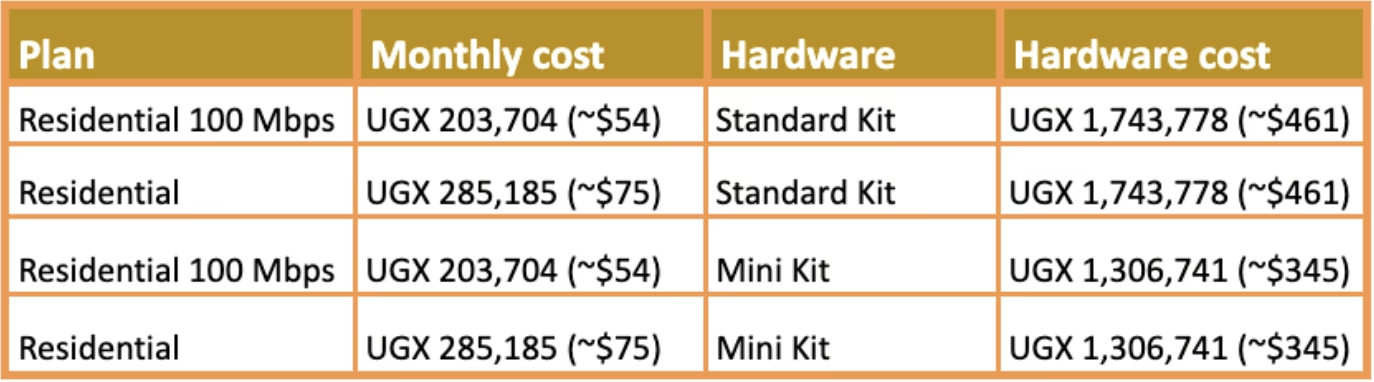
As with other Starlink markets, the hardware choice and the service tier are independent decisions. The Mini Kit saves roughly UGX 437,000 (~USD 116) upfront compared to the Standard Kit, but comes with a smaller dish and lower peak throughput. On the service side, the capped 100 Mbps “Residential” plan runs UGX 81,481 (~USD 21) cheaper per month than the uncapped Residential tier.
What’s worth watching next is less about access and more about the license’s conditions holding up in practice: the national gateway, the local office, the local staffing requirement, since those were the government’s price for opening the door in the first place, and they’re the parts of the deal a consumer never sees on the order page.