
Nigeria Approves Immediate Funding for Maintenance of National Space Assets
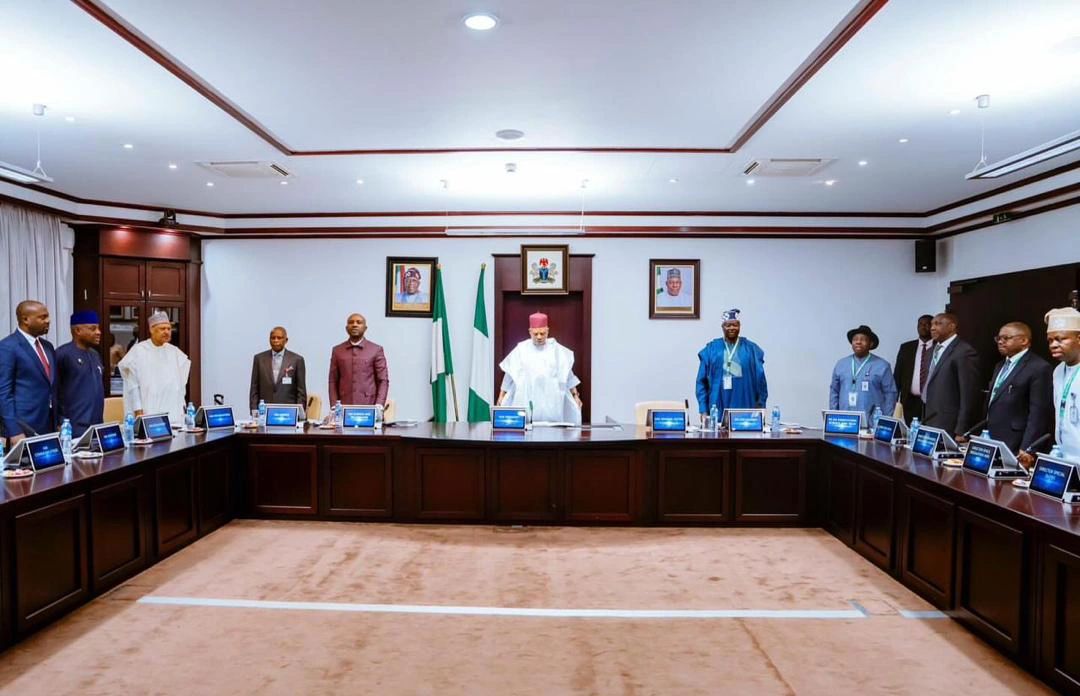
Nigeria’s President Bola Ahmed Tinubu has instructed the immediate release of approved government funds for the maintenance of the country’s space assets, reinforcing the country’s commitment to implementing its long-term space development vision. The directive came on Tuesday, 3 March, during the inaugural meeting of the National Space Council at the Presidential Villa in Abuja, where the President was represented by Vice President (VP) Kashim Shettima.
Speaking on behalf of the President, Vice President Kashim Shettima emphasised that his remarks reflected the administration’s official position. He used the meeting to reaffirm the government’s commitment to Nigeria’s revised 25-year National Space Roadmap, which outlines the strategic direction and long-term priorities for the country’s space programme. Central to this vision is ensuring that existing space infrastructure is maintained and optimised to serve national priorities.
“I hereby approve that the cost of implementing the revised 25-year roadmap for the national space policy be forwarded to the Federal Executive Council for consideration and approval,” the Vice President said, speaking as the President’s direct representative.
Space Technology for Key Societal Benefits
VP Kashim framed the directive as part of a broader effort to ensure Nigeria is an active participant in the expanding global space economy, estimated to surpass USD 1 trillion by 2040. He stressed that investments in space technology are not abstract or distant ambitions but practical tools that support everyday needs across the Nigerian economy.
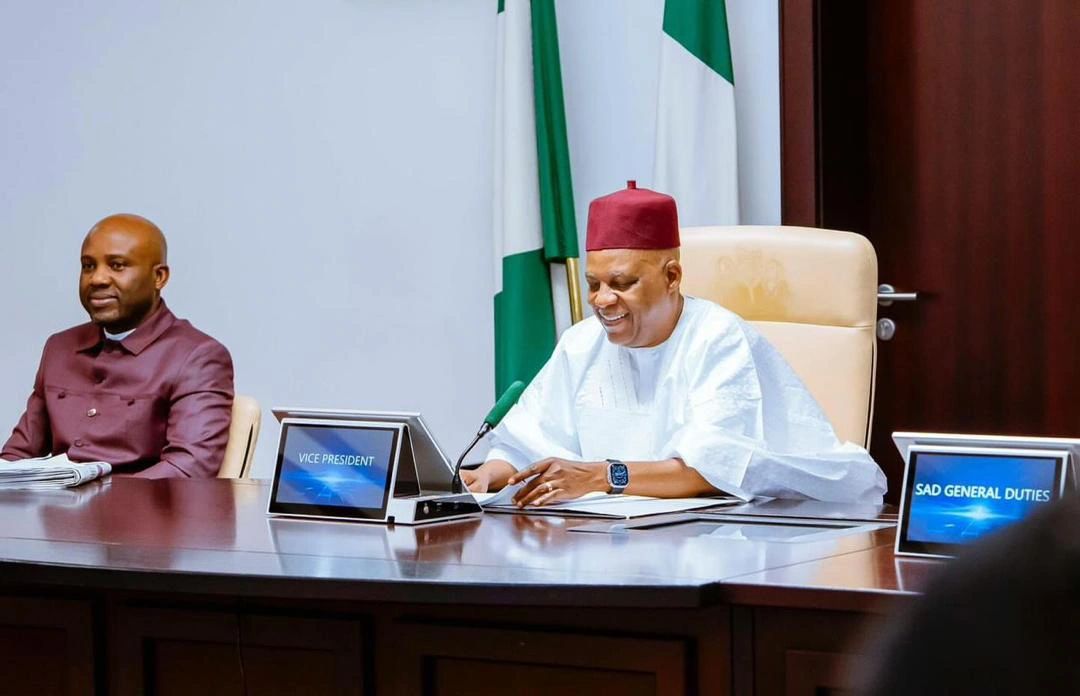
“We must build a programme that serves the farmer in the field, the teacher in the classroom, the entrepreneur in the market, the soldier on duty, the researcher in the laboratory, and the policy maker who must plan with evidence rather than guesswork,” mentioned Vice President Kashim.
In his remarks, the Vice President highlighted the societal benefits of space technology, including precision agriculture, border security, disaster response, environmental monitoring, digital connectivity, and cybersecurity. Speaking with the full authority of the executive office, he conveyed the President’s directive verbatim and urged strict compliance with Nigeria’s space regulatory framework. He instructed all relevant Ministries, Departments, and Agencies (MDAs) and private-sector partners to comply with existing laws and ensure the timely release of space-related funds through the Federal Ministry of Finance.
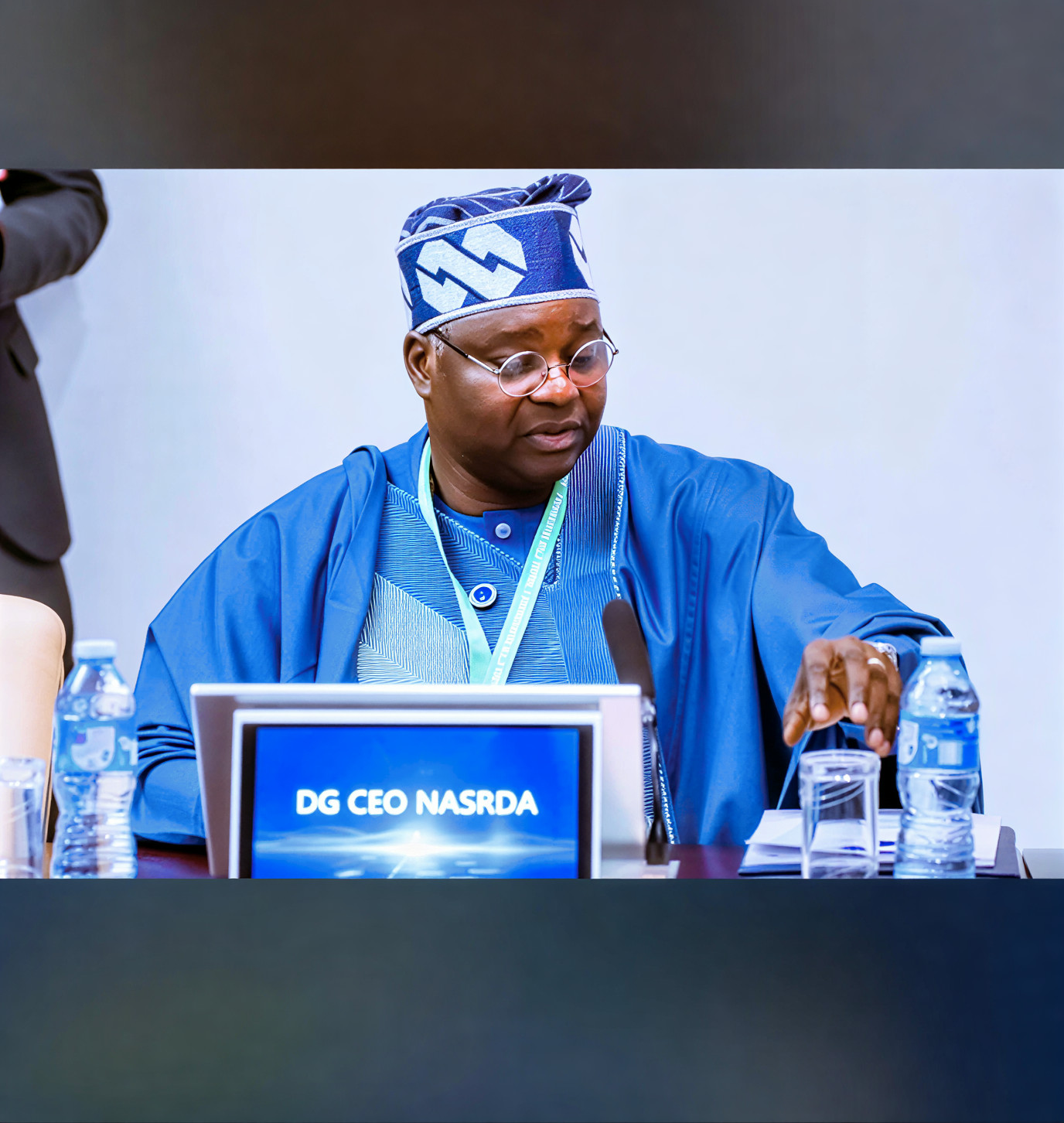
Additionally, he also directed the National Space Research and Development Agency (NASRDA) to employ all legally available means to enforce spectrum management and the responsible use of space assets, in line with the provisions of the NASRDA Act (2010).
Mobilising Institutional Capacity
In outlining the meeting’s complementary outcomes, the Minister of Innovation, Science and Technology, Kingsley Udeh, described the session as historic for Nigeria’s space ecosystem. It produced key decisions aimed at addressing human capital, institutional frameworks, and strategic planning. Among measures approved was the alignment of NASRDA’s conditions of service and staff regulations with international best practices, a step intended to retain skilled professionals within the Nigerian space sector rather than lose expertise to international markets.
The Council also agreed to establish a working group of space experts to review and refine the revised 25-year roadmap, bringing together institutions such as NASRDA, the Nigerian Communications Commission (NCC), the National Defence Space Agency, and Nigerian Communications Satellite Limited (NIGCOMSAT) to drive progress. Additionally, the meeting endorsed plans for the development and operationalisation of the Bola Ahmed Tinubu Space Centre in Ekpe, a facility envisioned to strengthen Nigeria’s capacity to launch and maintain satellites locally, enhancing technological autonomy.