
Africa at IAC 2026: Agencies, Industry and Young Professionals in Antalya

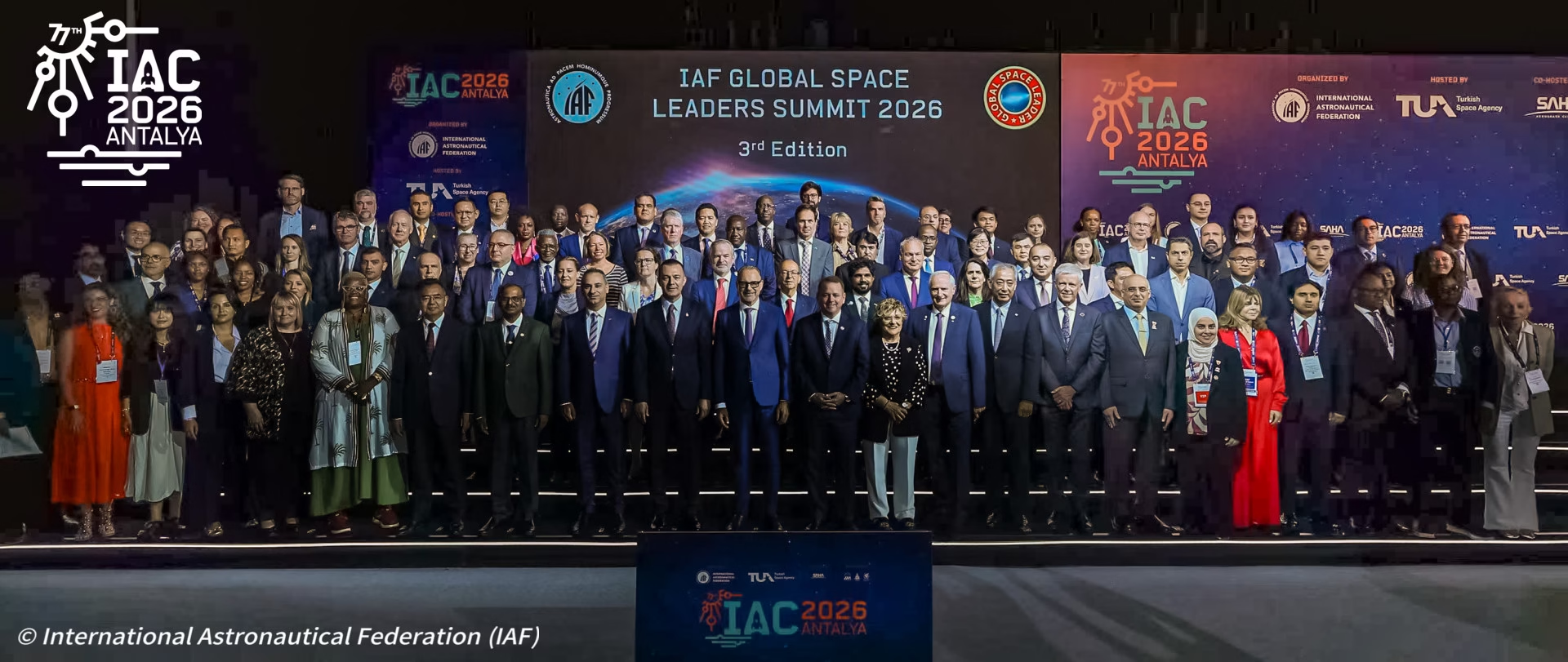
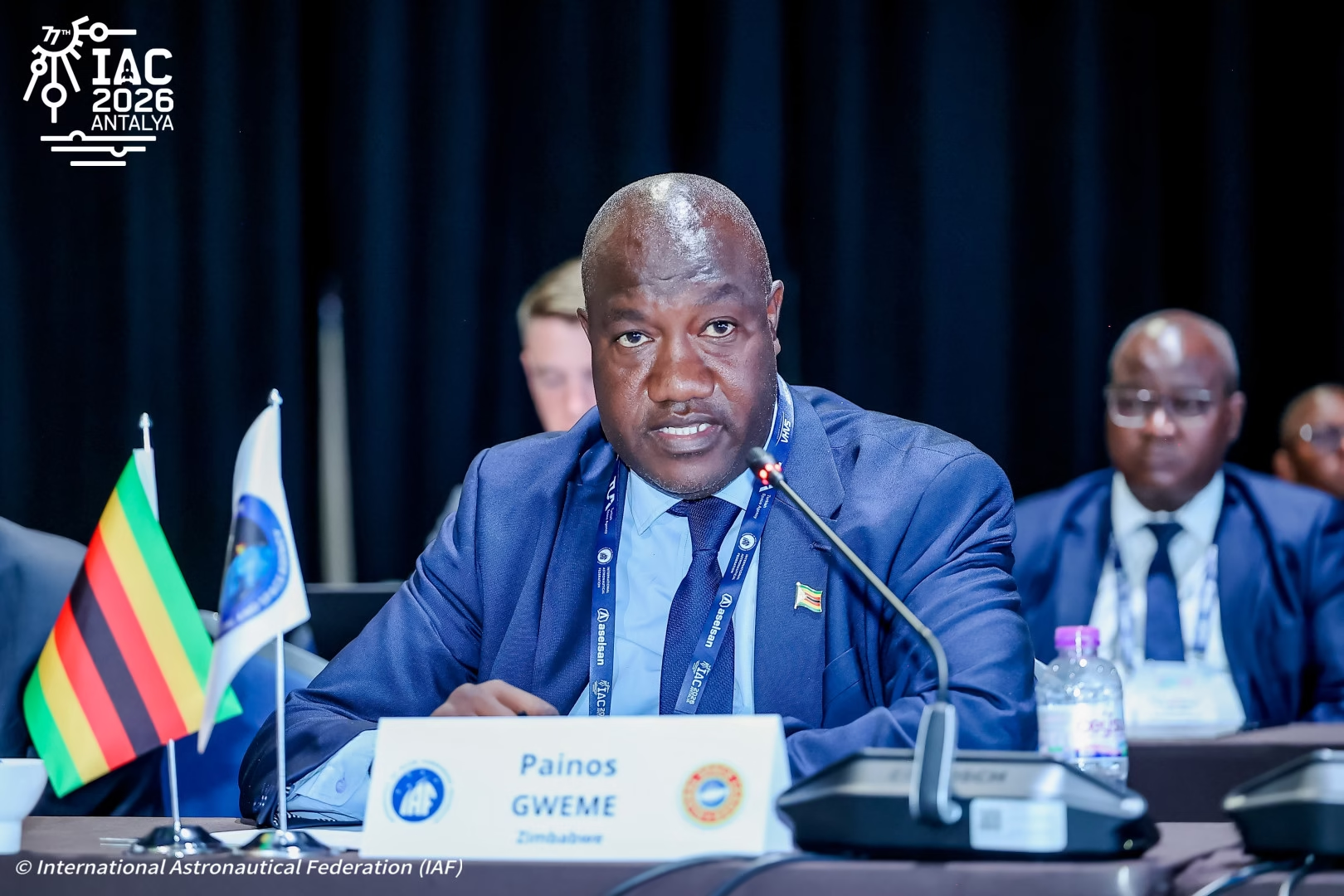
For five days in Antalya, Africa’s space sector worked on several fronts at once. On the exhibition floor, African companies showcased flight-proven hardware, satellite communications systems, and Earth observation services in front of buyers, partners, and investors. In the summit halls, heads of agencies from Zimbabwe, Rwanda, Kenya and South Africa, along with representatives from the Democratic Republic of Congo, Mozambique and many other African nations, sat with counterparts from the world’s leading space nations to discuss using space to solve problems on Earth. Between sessions, agencies signed agreements and opened talks on new ones.
Young African professionals, researchers and founders were also in Antalya in numbers, presenting their work at the 77th International Astronautical Congress (IAC 2026) and meeting the people they may build with next.
At the leadership table
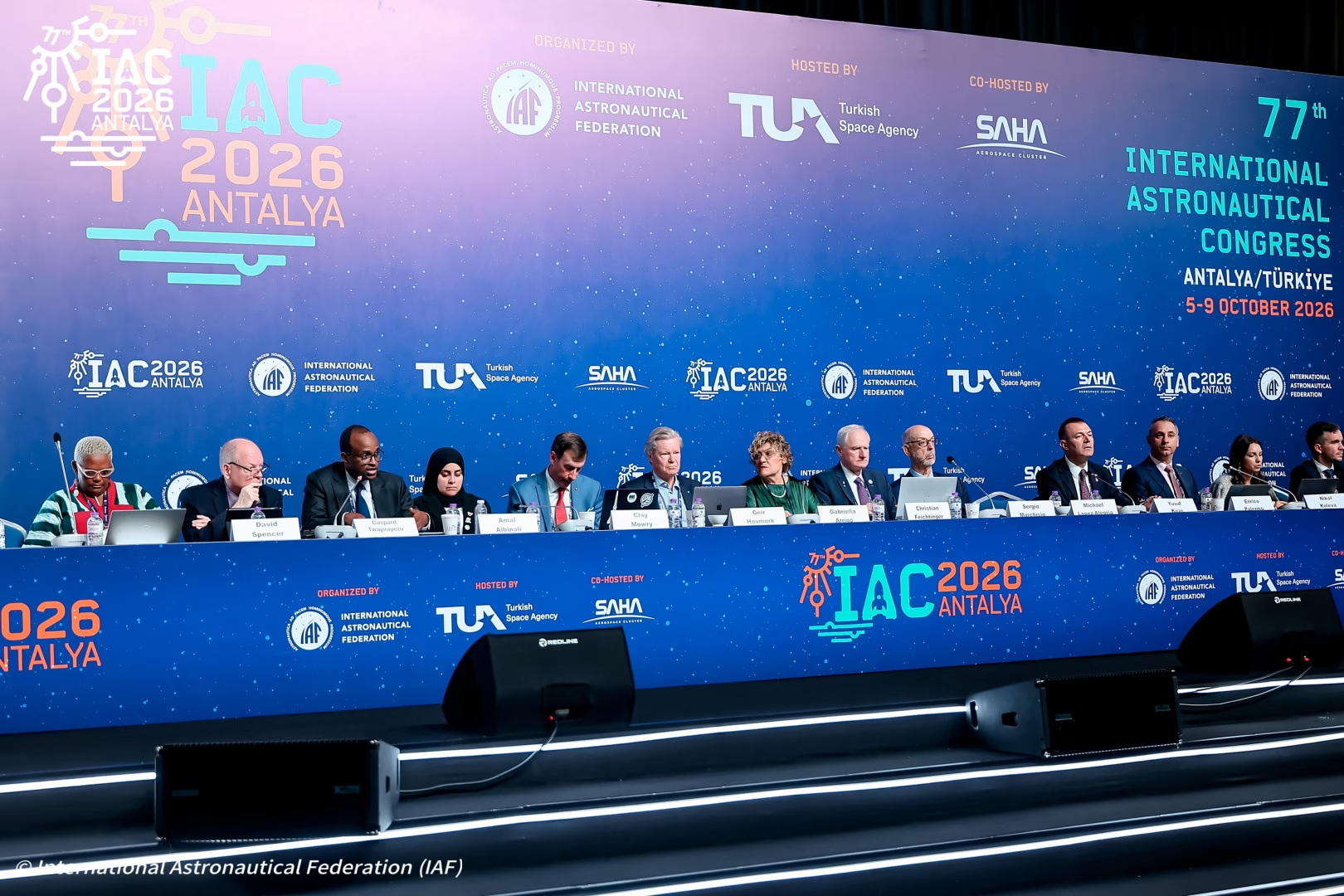
The heads of the Zimbabwe National Geospatial and Space Agency (ZINGSA), the Rwanda Space Agency (RSA), the Kenya Space Agency (KSA) and the South African National Space Agency (SANSA) took part in the 3rd IAF Global Space Leaders Summit (GSLS), alongside representatives from the DRC. The IAF holds the summit each year with the IAC, bringing together heads of agencies from established and emerging space nations. This year’s theme was “The New Space Era: Global Challenges, Strategic Opportunities and Responsible Governance.” The first edition, in 2024, put 60 heads of agencies around one table.
The discussions were organised as three roundtables: the lunar economy, orbital resilience, and space-based solutions to Earth’s challenges and disasters. The third is closest to the work most African agencies do every day, using Earth observation for climate resilience, disaster risk reduction, environmental monitoring and food security. The orbital resilience discussion matters because equitable access to orbital resources is a direct concern for countries entering space now. Africa’s position on the lunar economy is the least defined of the three, although Rwanda’s Artemis Accords commitment and SANSA’s new agreement with Türkiye on space science and exploration give early points of entry.
Agencies at work
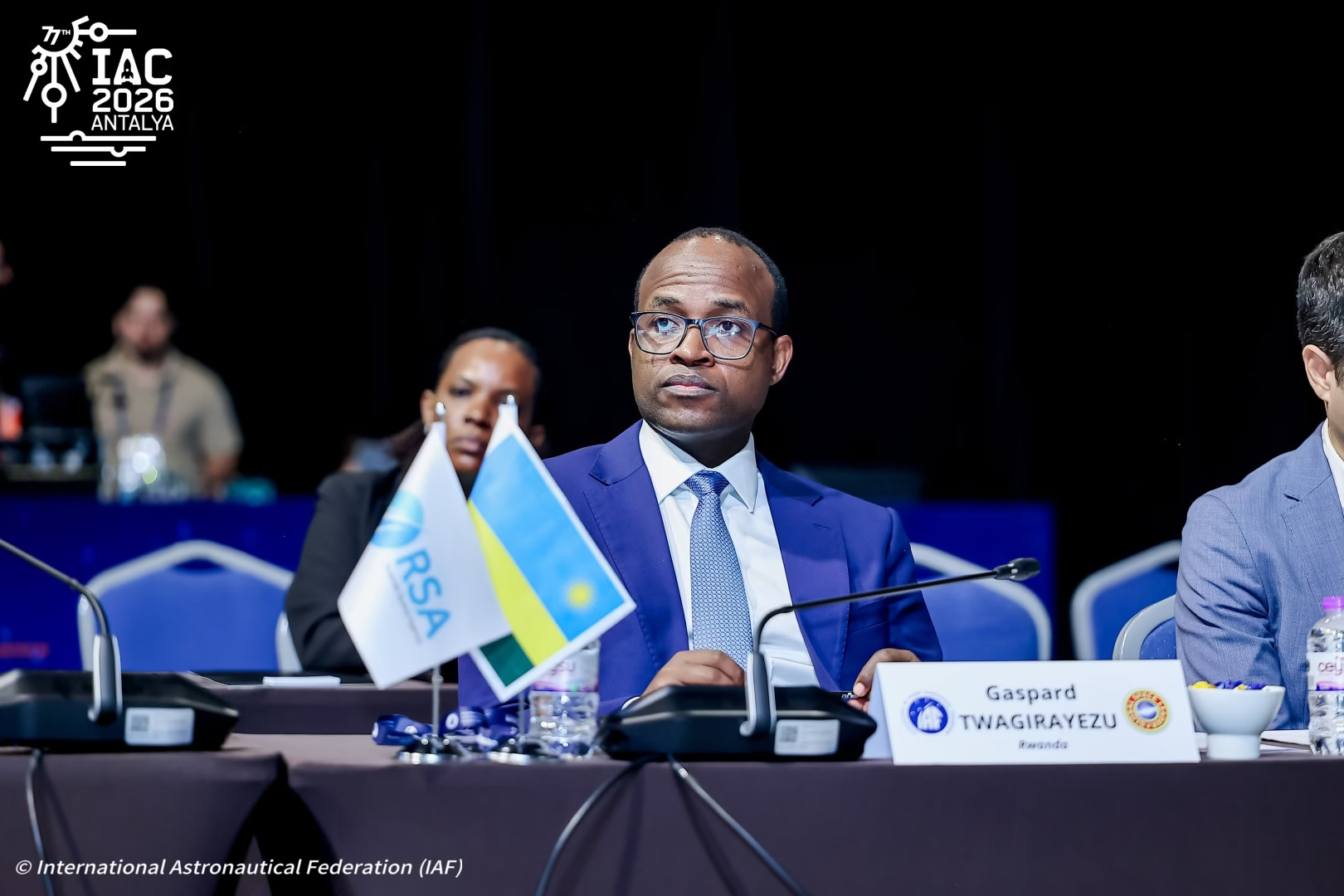
Rwanda Space Agency CEO Gaspard Twagirayezu used the summit to make the case for space technology and international collaboration as tools for problems on the ground. Outside the summit, he met NASA Deputy Administrator Matt Anderson, building on Rwanda’s signing of the Artemis Accords in 2022. He also met the UK Space Agency to strengthen existing ties and explore new areas of cooperation.
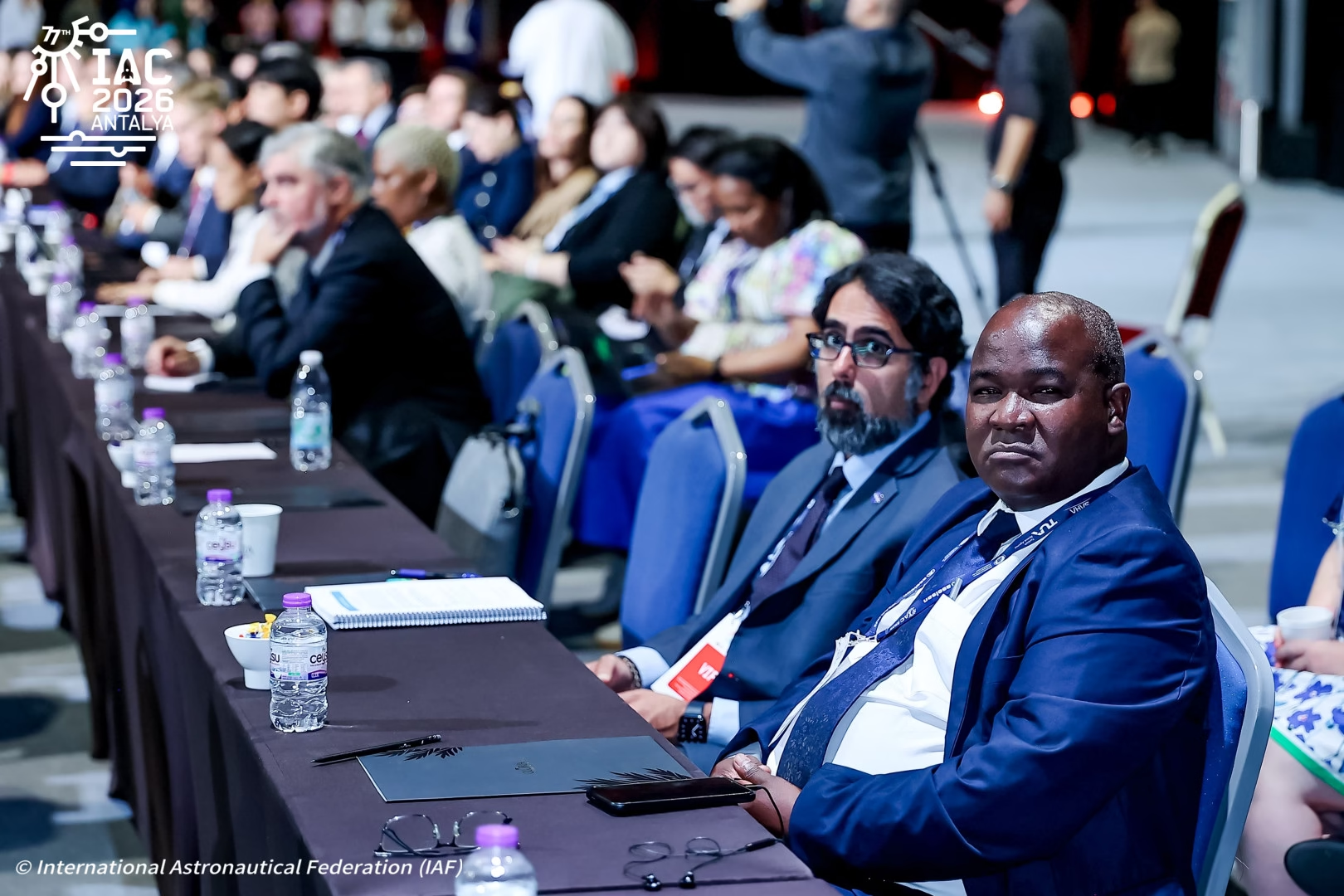
Kenya’s engagement went past the summit table. KSA Director General Major General Hillary Kipkosgey met SANSA leadership to discuss formalising cooperation between the two agencies through a memorandum of understanding.
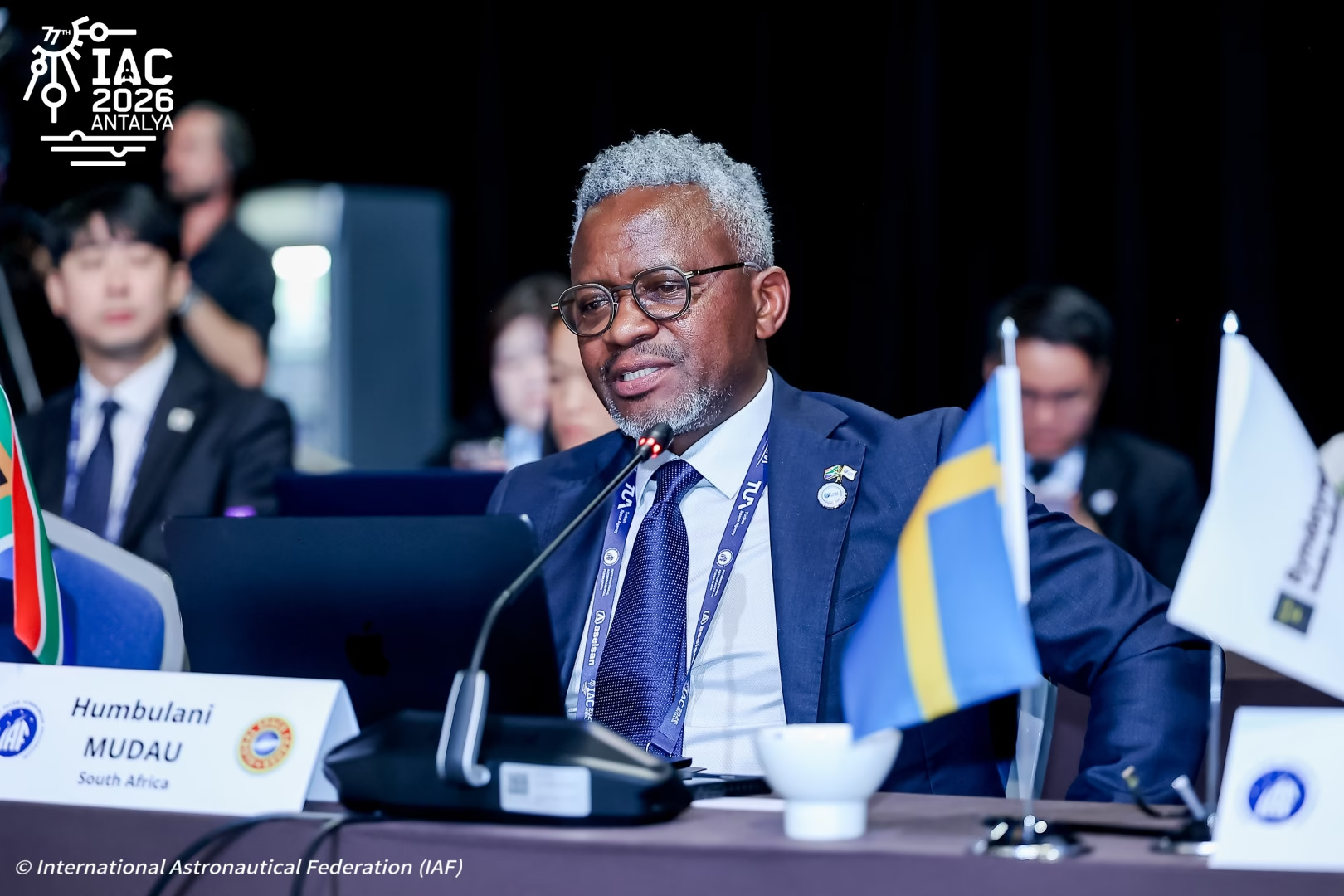
SANSA CEO Humbulani Mudau spoke at three sessions. Two were “Geopolitics vs. Innovation: Balancing Corporate Flexibility and Sovereign Capability in a Volatile World” and “Global Cooperation in an Increasingly Regionalised Space Economy.” The third was the “Intercontinental View of Space Governance from Regional Space Organisations” plenary. That session was agreed at the First Meeting of Regional Inter-Governmental Space Agencies in Noordwijk, the Netherlands, in May 2026, where APSCO, ESA, the African Space Agency (AfSA) and ALCE adopted a joint statement to hold a dedicated session at IAC 2026. UNOOSA Director Aarti Holla-Maini moderated. Mudau was the African voice on a panel with APSCO Secretary-General Hui Jiang, Brazilian Space Agency President Marco Chamon and ESA Director of Earth Observation Programmes Simonetta Cheli. They discussed regional space policy, joint flagship projects, capacity building across regions, technology transfer, and how regional bodies can bring emerging space nations into global programmes.
Agreements signed and in progress
SANSA signed a memorandum of understanding with the Turkish Space Agency (TUA), setting a framework for cooperation in space science and exploration. [Other MoUs from the series: one line and a link each.]
Other talks point to agreements still to come. Alongside the SANSA-KSA discussions, SANSA met AEB President Marco Chamon on cooperation in space technologies and capacity development.
Industry on the floor
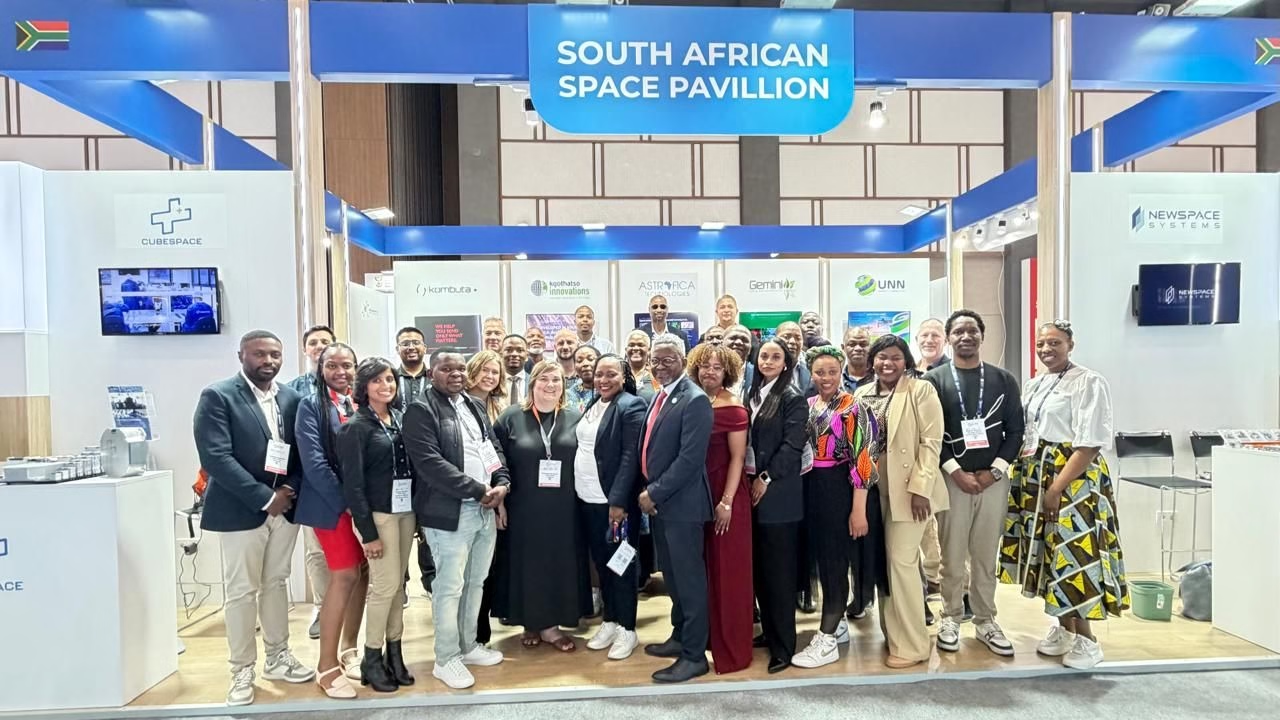
South Africa had the only African national pavilion at IAC 2026. Hosted by SANSA, the South African Space Pavilion brought 13 companies to Antalya. Their offerings ranged from satellite subsystems and onboard computers from firms such as CubeSpace, CUBECOM, NewSpace Systems and Kombuta, to geospatial, tracking and environmental services built on satellite data. RIIS used its stand to present the African Earth Observation Challenge (AEOC), which supports early-stage space ventures across the continent.
A new generation in the room
Thirteen of the 40 grantees in the 2026 IAF Emerging Space Leaders cohort are African, from six countries: Egypt, Ethiopia, Nigeria, South Africa, Tunisia and Uganda. The programme funds students and young professionals to attend the congress. This year’s African grantees work in space law and governance, satellite engineering, space science and space economy analysis, and in Antalya they presented research, met prospective partners and connected with peers from other emerging space nations.
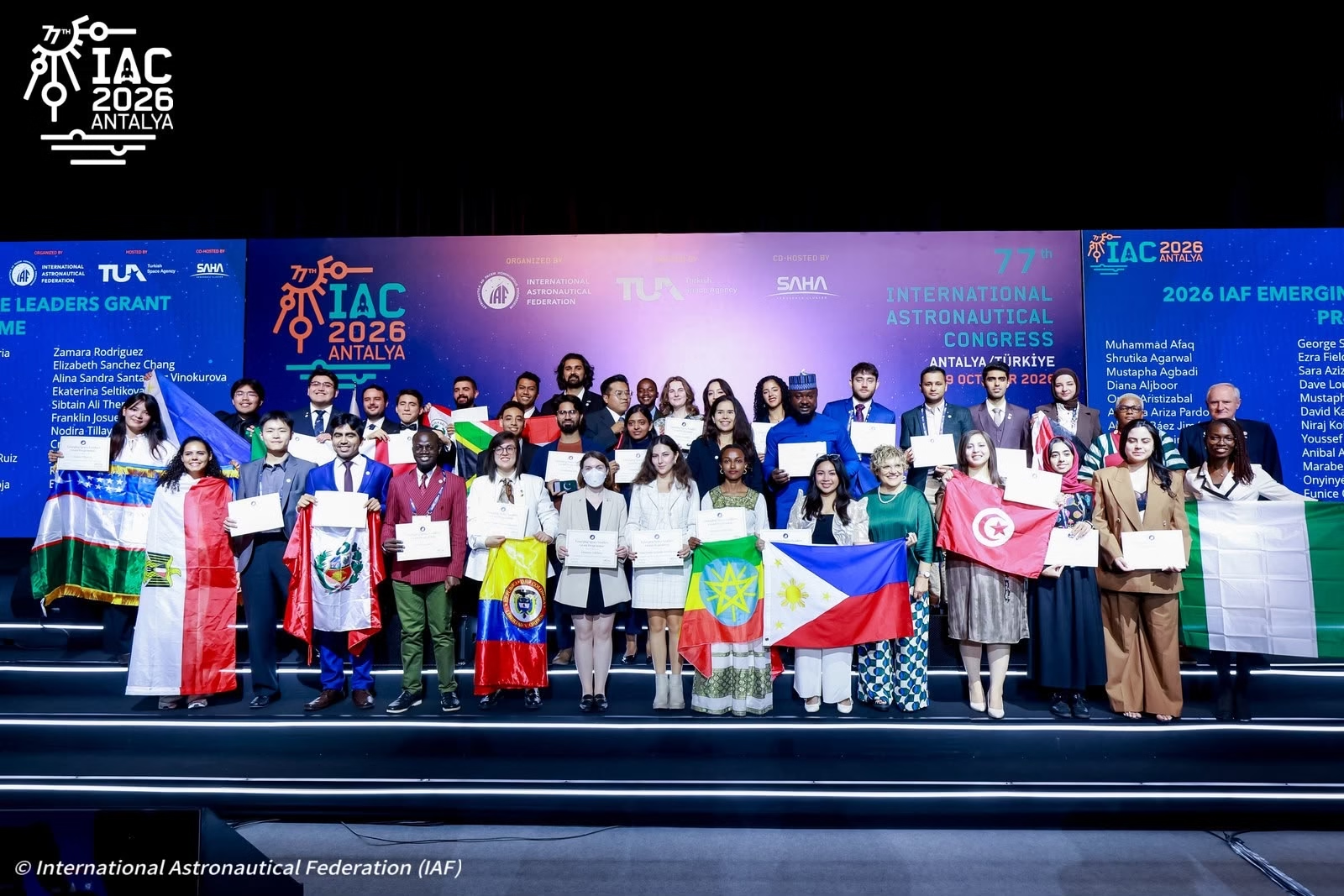
Similarly, at the closing ceremony, Cameroon’s Charles-Aimé Nzeussi-Mbouendeu received the IAF Young Space Leaders award, one of five given this year.
What Antalya showed
Three things stand out from Africa’s week at the congress.
- Strength in leadership, but a thin industry presence. Five African countries were represented at the leadership summit. Only one, South Africa, brought its industry with a national pavilion. African agencies are taking part in global policy discussions, but most of the continent’s companies were not on the exhibition floor, where buyers and partners make contact.
- African agencies are using global venues to work together. The SANSA-KSA talks show agencies using an international congress to advance cooperation within Africa, not only with established space powers.
- Earth observation and governance first. Most African engagement centred on Earth observation, governance and partnership frameworks. Exploration-related activity, such as Rwanda’s Artemis track and the SANSA–TUA framework, is still the exception.
The question for IAC 2027 is follow-through. The agreements signed in Antalya and the talks opened there need to become funded projects with timelines and named teams. On the exhibition floor, the gap is clearer. More African countries need to participate with their companies and agencies, so the continent’s industry is in front of the buyers, investors, and partners who attend the congress. Equally important is developing innovative, competitive products and services that enable African companies to stand out in the global market and build lasting partnerships beyond the continent.
In addition, the Federation (IAF) is actively exploring ways to increase African representation at the congress, including making the room more accessible for African talent, companies and innovations to present their work. It has also mandated future IAC hosts to ensure that emerging space nations are equally represented on the global stage. If African governments, agencies and industry match that effort with investment and preparation, Africa’s presence at future congresses can grow from a strong delegation into a full contingent across policy, industry and the next generation.