
SES and Africa Mobile Networks(AMN) Connects 5.8 Million in DRC, Expands Rural Mobile Coverage
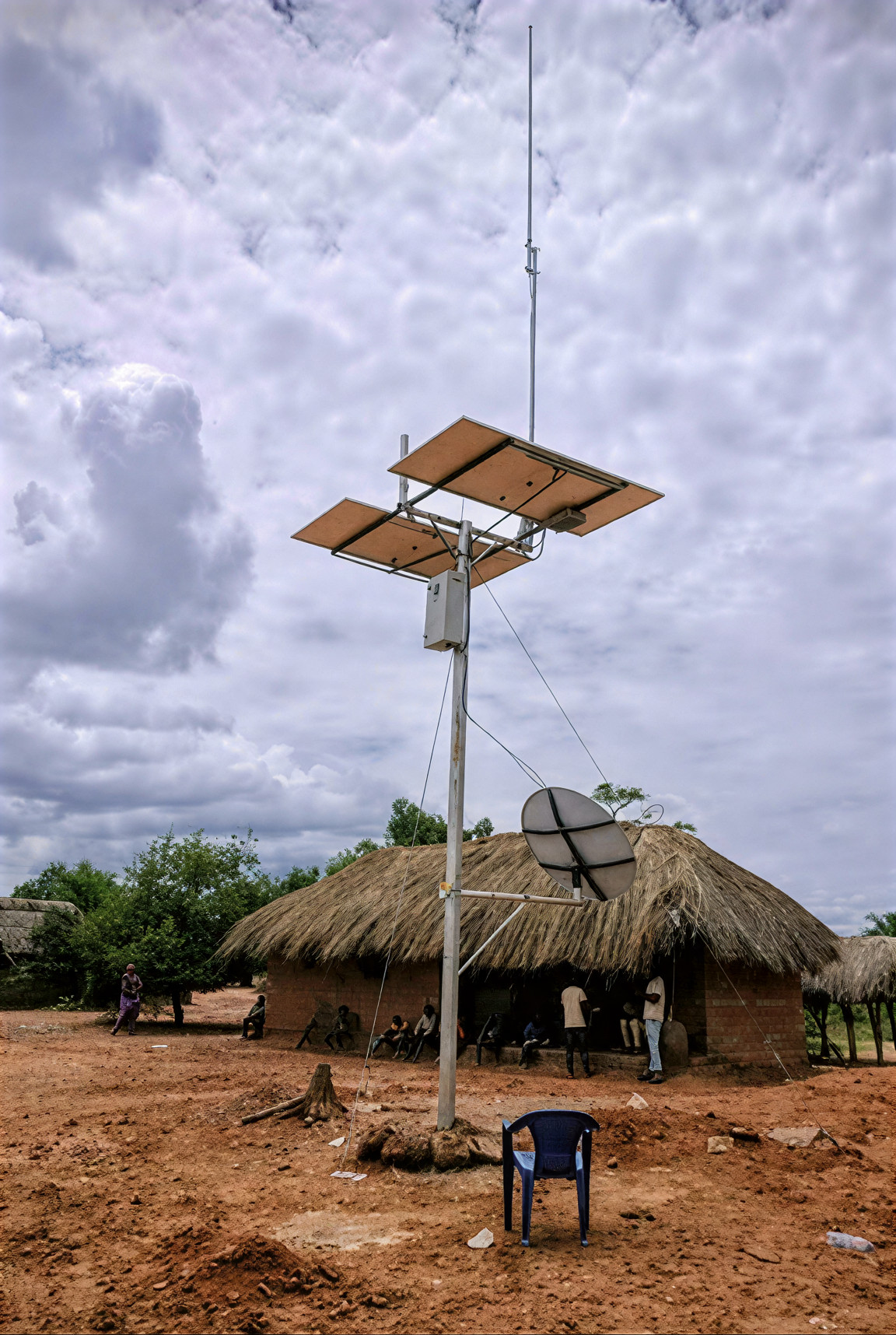
Luxembourg, February 26, 2026. SES Satellites and Africa Mobile Network (AMN) have strengthened connectivity across the Democratic Republic of Congo (DRC), now supporting over 1,100 base stations and expanding population coverage by 27%. This milestone brings mobile network access closer to millions, particularly in rural communities. The demand for reliable connectivity across the region is clear, driven by the mission to bring rural DRC online. For AMN and SES, this increase represents countless individuals experiencing mobile network services for the first time, opening doors to new opportunities for communication, commerce, and development.
Through this collaboration, AMN installed 292 new mobile network base stations across the DRC, leveraging SES’s satellite capacity to deliver critical telecommunication services to more than 5.8 million people. Remarkably, these sites were deployed in just 90 days. Yet, the numbers tell only part of the story.
“Building nearly 300 sites in just three months, under some of the toughest conditions imaginable, is an extraordinary achievement,” said Michael Darcy, CEO of Africa Mobile Network. “
“This is what happens when determination meets purpose. This is exactly why AMN exists: to connect even the most remote communities sustainably, reliably, and at scale,” he further noted.
AMN’s Broader Connectivity Goals
At the heart of AMN’s mission is a simple belief: connectivity is a fundamental human right. The real story, however, lies in the effort behind the numbers. Teams navigated impassable roads, hand-carrying equipment for miles through the bush when vehicles could go no further. It was exhausting and challenging work, yet they persevered, extending critical mobile network services to an additional 1.3 million people across rural DRC.
AMN confidently maintains that it can bring mobile connectivity to any community of more than 1,000 residents anywhere in the world. Central to this capability is the partnership with SES. With sites entirely solar-powered and relying on VSAT backhaul, these installations are truly ubiquitous, deployable in locations where the map ends, without depending on power grids or existing network infrastructure.
However, this independence brings a unique logistical challenge. Installation teams often travel where no one else can, delivering connectivity to areas without fibre, power, or existing mobile networks. AMN’s engineers are the first to carve a path into regions long disconnected, navigating the very isolation they are working to overcome.
Innovation lies at the core of AMN’s approach to reaching the unconnected. The company developed the AMN Radio Node (ARN), a multi-technology solution that allows multiple carriers to operate simultaneously from a single unit, supporting 2G, 3G, 4G, and future 5G technologies without extra capital expenditure or increased power consumption. By designing and building the ARN in-house, AMN has found a way to deliver high-performance, energy-efficient connectivity while reducing the investment required.
SES Multi-Orbit Satellites Expanding Connectivity
“Connecting to SES’ multi-orbit satellite network offers a multi-orbit constellation (GEO, MEO AND LEO) providing data connectivity services to over 1 billion people worldwide. This includes some of the most remote, unreachable parts of the globe. It is encouraging and inspiring to see how digital transformation has profoundly reshaped daily life across the DRC,” said Jean-Philippe Gillet, President of Fixed Data at SES.
By providing reliable connectivity, SES and AMN have empowered local entrepreneurs to scale their operations and access real-time market pricing. Students can leverage online resources to deepen their comprehension and academic performance, fostering a more knowledgeable generation. Healthcare delivery has been transformed, with local clinics now able to consult with external specialists in real time, ensuring more accurate diagnoses and better patient outcomes.