
South Africa Proposes New Space Industry Bill to Replace 1993 Act
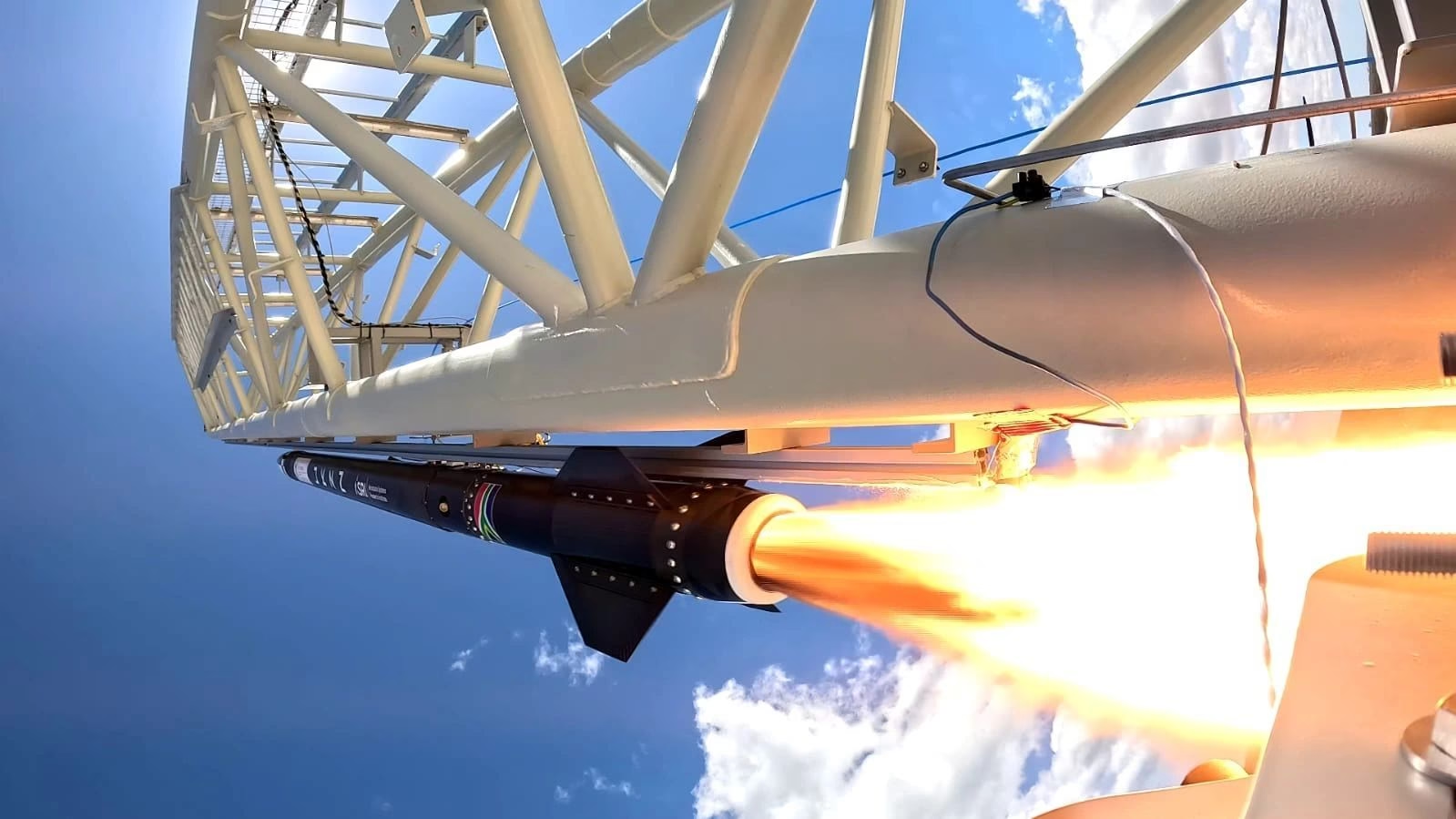
South Africa has published a draft law proposing a comprehensive overhaul of its space industry regulatory framework, seeking to replace the Space Affairs Act, 1993, with legislation that addresses the country’s evolving space activities and international obligations.
The Space Industry Regulatory Bill was published by the Minister of Trade, Industry and Competition, Parks Tau, under Notice 4223 of 2026 in Government Gazette No. 55638 on 30 October 2026. If enacted, it will become the South African Space Industry Regulatory Act, 2026, replacing legislation that has governed the country’s space activities for more than three decades.
The draft Bill seeks to establish a regulatory framework that accommodates the development of South Africa’s domestic space industry while strengthening oversight of space activities, national security safeguards and compliance with international space treaties. Its stated objectives include attracting private investment, developing national space capabilities, ensuring the safe and peaceful use of outer space, and protecting the country’s foreign policy and public interest considerations.
The publication opens a 60-day public comment period, giving industry participants, legal practitioners, and other stakeholders an opportunity to propose changes before the legislation progresses further.
A New Regulatory Authority and Institutional Structure
A central feature of the proposed legislation is establishing the South African Space Regulatory Authority (SASRA), an independent juristic body responsible for regulating and authorising space activities in the country. The Authority will comprise up to 14 members appointed by the Minister, including representatives from relevant government departments, the space industry and specialists in space science, technology, engineering, law, commercial governance and corporate management. Members will serve renewable terms of up to five years.
SASRA will authorise space activities, enforce regulatory requirements, advise the Minister on industry matters, and maintain national registers of space objects and activities. It will also monitor the operational status of space objects and ensure that South Africa fulfils its relevant international registration obligations.
Download the draft Bill here.
The Bill also establishes the National Office for Outer Space Activities (NOOSA), a specialised service delivery unit under the Public Service Act, 1994. NOOSA will serve as the Authority’s executive secretariat, supporting its administrative functions, coordinating the implementation of national space policy, maintaining registries and overseeing safety-related processes. Together, the two institutions are intended to provide the administrative and regulatory capacity required to implement the proposed framework.
What Space Activities Will Require Authorisation Under the New Bill?
The proposed legislation establishes a broad regulatory scope, covering South African citizens and permanent residents, companies incorporated in the country, and space activities conducted from South African territory or platforms under its jurisdiction.
Under Section 10, nine categories of activity will require regulatory authorisation. These include:
- Pre-launch notifications.
- Launching space objects, including suborbital trajectories.
- Operating and controlling space objects in orbit, including re-entry.
- Operating space launch facilities and other space facilities.
- Manufacturing space objects.
- Operating launch vehicles.
- Utilising space applications.
- Exploring and exploiting outer space
Including manufacturing, space applications, and the exploration and exploitation of outer space gives the proposed framework a scope that extends beyond the launch and operation of satellites.
Operators conducting regulated activities without authorisation will face criminal penalties. The Bill provides for fines or imprisonment of up to 10 years, or both, for contraventions of Section 10. The same penalties apply to applicants who knowingly withhold or falsify information in their submissions. Obstructing inspectors, withholding records or denying access to facilities may attract fines or imprisonment of up to two years.
Public Consultation Opens
The publication of the Space Industry Regulatory Bill marks the start of public consultation on the proposed replacement of South Africa’s 1993 space legislation. For companies involved in satellite manufacturing, launch services, satellite operations, space applications, and other regulated activities, the final provisions will set the authorisation requirements and compliance obligations that govern their operations in South Africa.
The proposed framework also introduces a more defined institutional structure for space regulation, with SASRA responsible for regulatory oversight and NOOSA supporting its administrative and operational functions.
Stakeholders have 60 days from 30 October 2026 to submit comments and recommendations on the draft legislation. Submissions should be addressed to Ms Nomfuneko Majaja at the Department of Trade, Industry and Competition’s campus in Pretoria, or sent by email to Sasirabill@thedtic.gov.za.
The Bill remains a draft, and its provisions may change following the consultation process and subsequent legislative consideration.